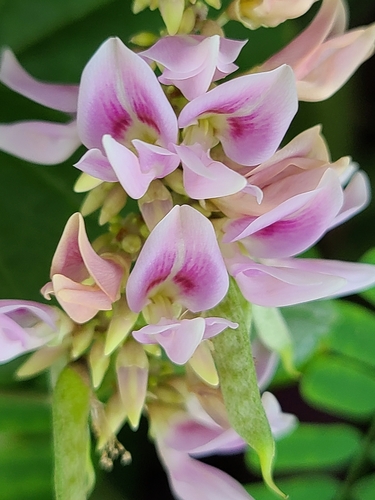
Inga chocoensis
T. S. Elias
ElChoco inga
(c) Pedro Blanco, some rights reserved (CC BY-NC), uploaded by Pedro Blanco

(c) David McCorquodale, some rights reserved (CC BY-NC), uploaded by David McCorquodale
(c) Pedro Blanco, some rights reserved (CC BY-NC), uploaded by Pedro Blanco
What to Eat
Edible parts: Fruit, Seeds
The white pulp surrounding the seeds inside the fruit pods is eaten.
Where to Find It
It is a tropical plant. It grows in humid forests at low and medium elevations.
Central America, Colombia, Costa Rica, Ecuador, Nicaragua, Panama, South America,
How to Identify
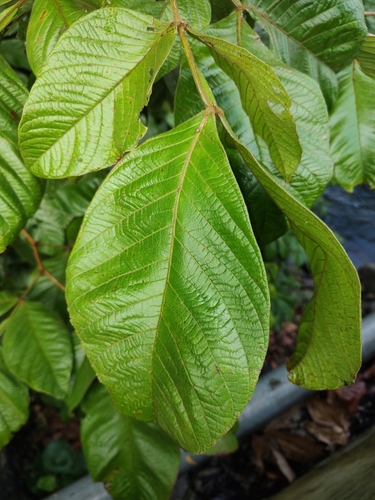
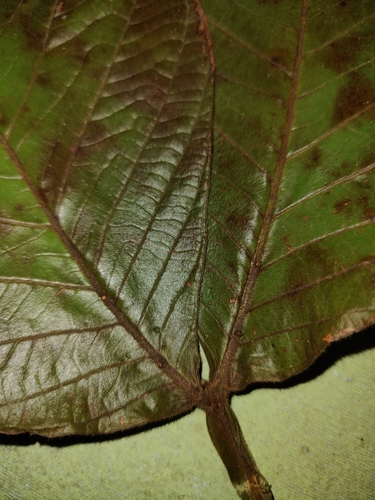
A tropical tree in the Fabaceae family that grows 10–20 m tall, producing seed pods 10–20 cm long. It occurs in humid forests at low to medium elevations and grows easily from seed.
How to Grow
Plants grow easily from seeds. Seeds germinate in 1-2 weeks given moisture and shade.
Other Uses
The wood of Inga species is generally attractive, but it has a coarse texture, is susceptible to attack by dry-wood termites and is not durable in the soil. The wood is used for fuel.
Notes
Also as Mimosaceae.
Names & Synonyms
Palo de guaba, Shiichi
References (4)
- Fern, K., 2012, Tropical Species Database http://theferns.info/tropical/
- Grandtner, M. M. & Chevrette, J., 2013, Dictionary of Trees, Volume 2: South America: Nomenclature, Taxonomy and Ecology. Academic Press p 320
- Lopez-Diago, D. & Garcia, N., 2021, Wild edible fruits of Colombia. Biota ColomBiana 22 (2) p 37
- Roa, J. A. G. & Boada, D. S. G., 2018, Fundación para el Fortalecimiento de la Fruticultura y Plantas Alimenticias no Convencionales en Colombia.