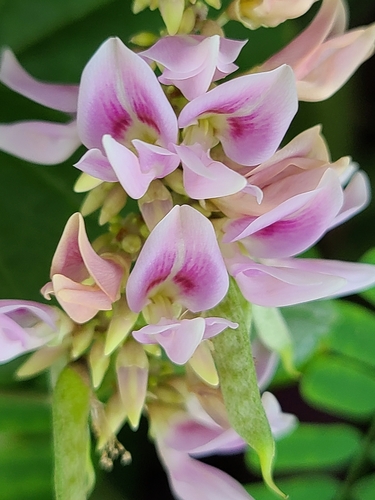
Inga sertulifera
DC.

(c) Andres Hernandez S., some rights reserved (CC BY-NC-SA)

(c) Reinaldo Aguilar, some rights reserved (CC BY-NC-SA)
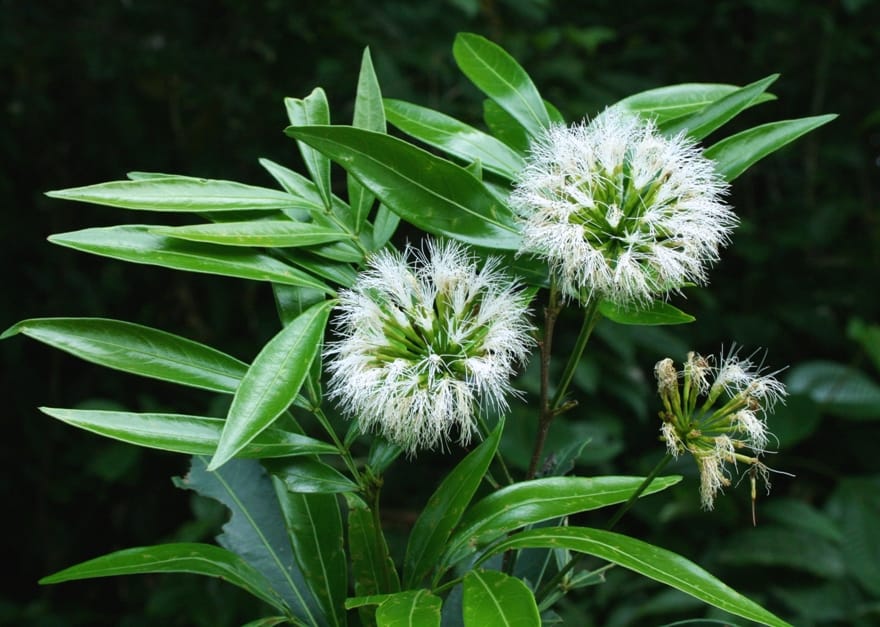
Wikimedia Commons - Vojtěch Zavadil
What to Eat
Edible parts: Fruit - aril, Pod pulp
Fruit - raw. The white flesh surrounding the seeds is eaten. A sweet taste, with a slimy texture. The yellow seedpods are 7 - 13cm long and up to 2.5cm wide.
Where to Find It
It is a tropical plant. It grows in rainforests.
Amazon, Bolivia, Brazil, Central America, Colombia, Costa Rica, Ecuador, Guianas, Guyana, Panama, Peru, South America, Venezuela,
How to Identify
A tree. It grows 5-15 m tall. The crown is round and spreading. The trunk is 10-30 cm across. It branches low down. The fruit are seed pods 7-13 cm long and 2.5 cm wide.
How to Grow
Plants grow easily from fresh seeds. Seeds germinate in 1-2 weeks given moisture and shade.
Other Uses
The wood of Inga species is generally attractive, but it has a coarse texture, is susceptible to attack by dry-wood termites and is not durable in the soil. The wood is used for fuel.
Wikipedia
Source ↗Inga sertulifera is a species of plant in the family Fabaceae. It is found from Costa Rica through Peru and Bolivia.
Notes
Also as Mimosaceae.
Names & Synonyms
Abira, Abira-yek, Ao, Awe, Chipero, Guamo
References (5)
- Fern, K., 2012, Tropical Species Database http://theferns.info/tropical/
- Grandtner, M. M. & Chevrette, J., 2013, Dictionary of Trees, Volume 2: South America: Nomenclature, Taxonomy and Ecology. Academic Press p 326
- Lopez-Diago, D. & Garcia, N., 2021, Wild edible fruits of Colombia. Biota ColomBiana 22 (2) p 39
- NYBG Herbarium "edible"
- Torre, de la, L., et al, 2008, Enciclopedia de las Plantas Útiles del Ecuador. Herbario QCA. Pontificia Universidad Católica del Ecuador. p 347