Pterocarpus dalbergioides
DC.
Andaman padauk, Andaman redwood
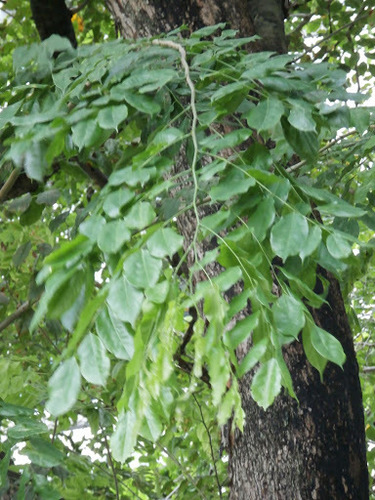
(c) 106611639464075912591, some rights reserved (CC BY-NC-SA), uploaded by 106611639464075912591
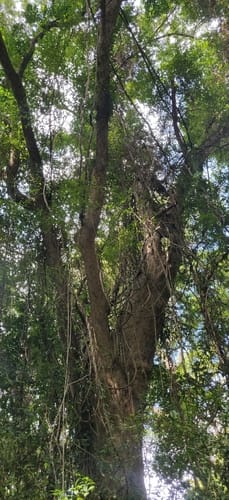
(c) T R Shankar Raman, some rights reserved (CC BY)
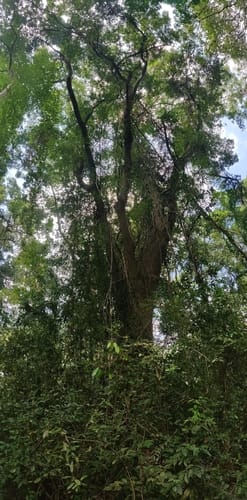
(c) T R Shankar Raman, some rights reserved (CC BY)
What to Eat
Edible parts: Leaves, Flowers
The flowers and very young leaves can be eaten.
Where to Find It
It is a tropical plant. It grows in forests usually near rivers. It grows up to 100 m above sea level. It grows in the wet lowland tropics. It is best where temperatures are 22-32°C. It cannot tolerate frost. It is best with an annual rainfall between 3,000-3,500 mm. It is best with a pH of 5.5-6.5.
Andamans*, Asia, India, Madagascar, Myanmar, SE Asia,
How to Identify
A tree. It can lose many leaves during the year. It grows 25-40 m tall. The trunk can be 1.8 m across.
How to Grow
A plant of the wet, lowland tropics, where it is found at elevations up to 100 metres. It grows best in areas where annual daytime temperatures are within the range 22 - 32°c, but can tolerate 15 - 37°c. Plants are not tolerant of frost. It prefers a mean annual rainfall in the range 3,000 - 3,500mm, but tolerates 2,500 - 4,000mm. Grows best in a sunny position, tolerating light shade. The tree is shade tolerant in youth. Succeeds in most soils. The tree is best adapted to damp conditions. Prefers a pH in the range 5.5 - 6.5, tolerating 5 - 7.5. This species has a symbiotic relationship with certain soil bacteria, these bacteria form nodules on the roots and fix atmospheric nitrogen. Some of this nitrogen is utilized by the growing plant but some can also be used by other plants growing nearby.
Propagation: Seed.
Medicinal Uses
The bark contains tannins and is astringent, and is used medicinally.
Other Uses
The bark is a source of tannins. The heartwood is variable, mainly a rich crimson or shades of red to brown, often with darker red or blackish streaks, and sometimes pale red or yellowish; the narrow sapwood band is greyish. The texture is rather coarse, the grain generally interlocked, with a dull to lustrous surface and no characteristic odour or taste. The heartwood is rated as very durable and resistant to termite attack. The wood is moderately hard; not difficult to saw and machine, though interlocked grain prevents a smooth dressed finish; it turns well and takes a good polish. Uses include light to heavy construction, joists, rafters, beams, and interior finish, as well as high-quality furniture, panelling, musical instruments, cabinet work, interior joinery, billiard tables, decorative flooring, agricultural implements, and veneer. Its resistance to weathering, wear, and insect attack makes it suitable for bridges, piles, posts, railway sleepers, and mine timbers. The tree is a nitrogen fixer.
Wikipedia
Source ↗Pterocarpus dalbergioides, the Andaman padauk, Andaman redwood or East Indian mahogany, is a species of flowering plant in the family Fabaceae. It is sometimes called "narra", but this is just a generic term used for any of several Pterocarpus species. It is native to the Andaman Islands.
Names & Synonyms
Andaman padauk, East Indian-mahogany, andaman-padauk - Swedish
References (1)
- Fern, K., 2012, Tropical Species Database http://theferns.info/tropical/




