Raphionacme splendens
Schltr.
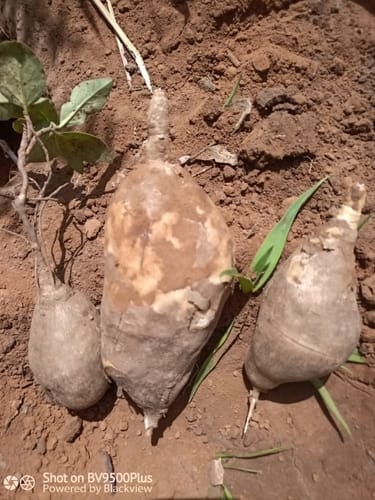
(c) AMADOU BAHLEMAN FARID, some rights reserved (CC BY-NC)
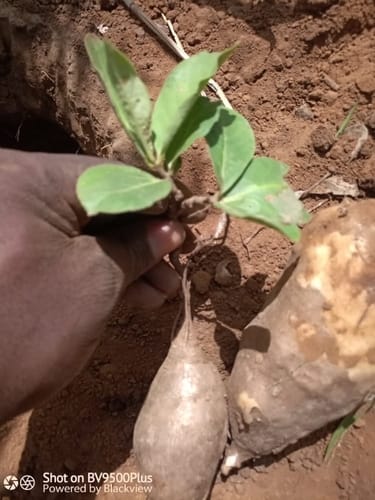
(c) AMADOU BAHLEMAN FARID, some rights reserved (CC BY-NC)

(c) Bart Wursten, some rights reserved (CC BY-NC), uploaded by Bart Wursten
What to Eat
Edible parts: Root, Tuber
Tuber - raw or cooked. The tubers are much esteemed as a food by local people. The tuber is 50 - 75mm or more in diameter, with a white flesh exuding latex when cut. The taste is slightly bitter, due to a resinous substance. The flesh consists largely of carbohydrate matter, and is refreshing rather than nutritious. It is eaten raw in the quite fresh state, after removing the more milky resinous outer layer. Europeans have used it boiled in water as a substitute for turnips.
Where to Find It
It is a tropical plant. It grows in the shade of large trees. It grows in the drier tropics. It needs a well-drained soil and full sun.
Africa, Burkina Faso, East Africa, Senegal, Sudan, Zimbabwe,
How to Identify
A small succulent herb. It has a swollen stem base that produces a single unbranched stem. This is 20 cm tall. It only has a few leaves and a few large flowers. The tuber is 5-7.5 cm across.
How to Grow
A plant of the drier tropics. Requires a very well-drained soil and a position in full sun.
Other Information
The root is esteemed by local people.


