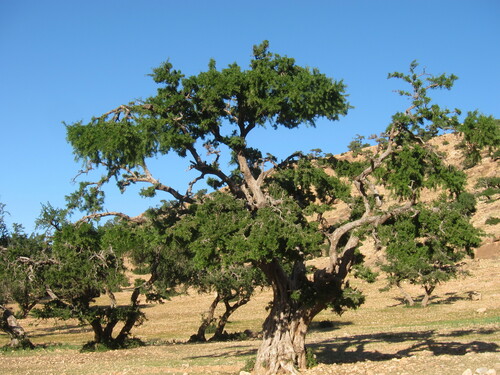
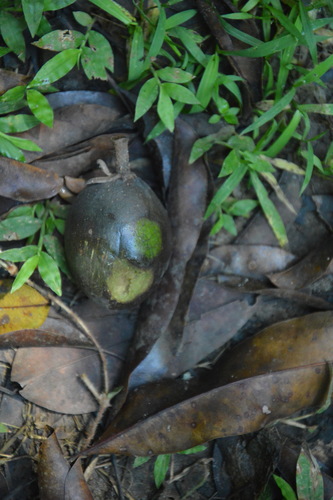
Sideroxylon mirmulans
R. Br.
SapotaceaeFruit

iNaturalist · cc-by-nc
(c) Michael 2020, some rights reserved (CC BY-NC)
(c) Michael 2020, some rights reserved (CC BY-NC)

iNaturalist · cc-by-nc
(c) Michael 2020, some rights reserved (CC BY-NC)
(c) Michael 2020, some rights reserved (CC BY-NC)
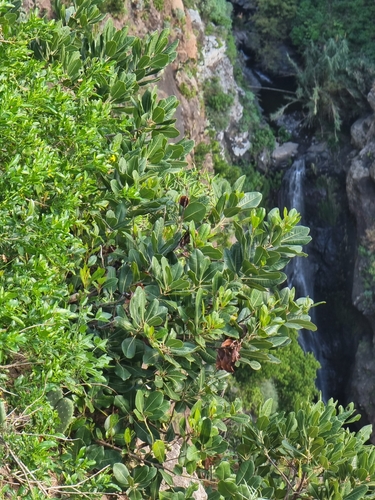
iNaturalist · cc-by
(c) Vítor Jorge, some rights reserved (CC BY)
(c) Vítor Jorge, some rights reserved (CC BY)
What to Eat
Edible parts: Fruit
The fruit is eaten.
Where to Find It
It is a tropical plant.
Africa, Cape Verde, Congo,
Countries: Angola, Burkina Faso, Burundi, Benin, Botswana, Congo (DRC), Central African Republic, Congo (Republic), Cote d'Ivoire, Cameroon, Cape Verde, Djibouti, Algeria, Egypt, Eritrea, Ethiopia, Gabon, Ghana, Gambia, Guinea, Equatorial Guinea, Guinea-Bissau, Kenya, Comoros, Liberia, Lesotho, Libya, Morocco, Madagascar, Mali, Mauritania, Mauritius, Malawi, Mozambique, Namibia, Niger, Nigeria, Rwanda, Seychelles, Sudan, Sierra Leone, Senegal, Somalia, South Sudan, Sao Tome & Principe, Eswatini, Chad, Togo, Tunisia, Tanzania, Uganda, South Africa, Zambia, Zimbabwe
How to Identify
A tropical fruit tree in the Sapotaceae family, sometimes cultivated for its fruit.
Other Information
It is sometimes cultivated as a fruit tree.
Names & Synonyms
Calvaria mirmulano (Sol. ex Lowe) DubardSideroxylon marmulana C. Sm. [Spelling variant]Sideroxylon marmulano Lowe [Spelling variant]Sideroxylon mirmulano Sol. ex Lowe
References (2)
- Chevalier, 1952,
- Mansfeld, (As Sideroxylon marmulana)