Dracaena spicata
Roxb.
Dragon tree

iNaturalist · cc-by
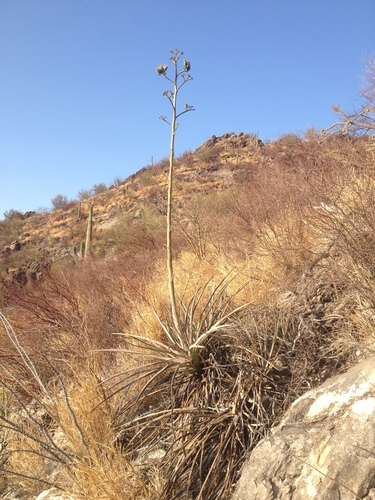
(c) Rejoice Gassah, some rights reserved (CC BY), uploaded by Rejoice Gassah
(c) Rejoice Gassah, some rights reserved (CC BY), uploaded by Rejoice Gassah

iNaturalist · cc-by
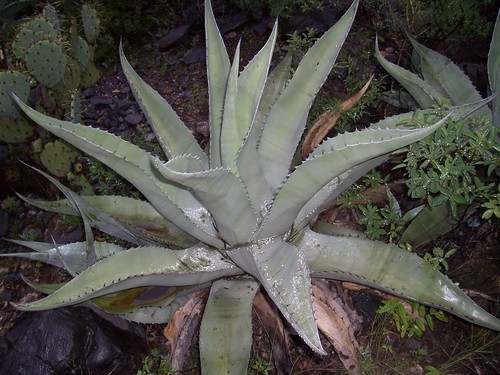
(c) Rejoice Gassah, some rights reserved (CC BY), uploaded by Rejoice Gassah
(c) Rejoice Gassah, some rights reserved (CC BY), uploaded by Rejoice Gassah

iNaturalist · cc-by
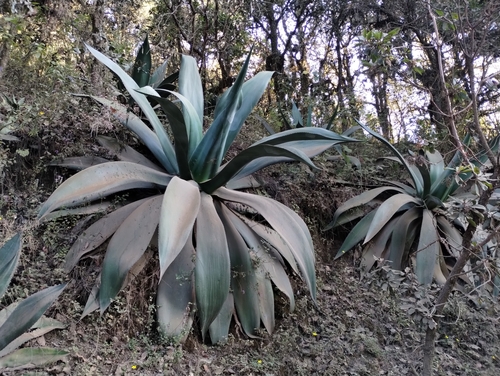
(c) Rejoice Gassah, some rights reserved (CC BY), uploaded by Rejoice Gassah
(c) Rejoice Gassah, some rights reserved (CC BY), uploaded by Rejoice Gassah
What to Eat
Edible parts: Flowers, Tubers
The flowers are cooked with meat, and the tubers are cooked as a vegetable.
Where to Find It
It is a tropical plant.
Asia, Bangladesh, India, Myanmar, Northeastern India, SE Asia,
Countries: United Arab Emirates, Afghanistan, Armenia, Azerbaijan, Bangladesh, Bahrain, Brunei, Bhutan, China, Georgia, Indonesia, Israel, India, Iraq, Iran, Jordan, Japan, Kyrgyzstan, Cambodia, North Korea, South Korea, Kuwait, Kazakhstan, Laos, Lebanon, Sri Lanka, Myanmar, Mongolia, Maldives, Malaysia, Nepal, Oman, Philippines, Pakistan, Qatar, Saudi Arabia, Singapore, Syria, Thailand, Tajikistan, Timor-Leste, Turkmenistan, Turkey, Taiwan, Uzbekistan, Vietnam, Yemen
How to Identify
An annual shrub. The leaves are alternate or crowded near the end of the plant. The flowers are in groups. The fruit are orange-red berries.
Names & Synonyms
Kadorateng gaas, Ss thang-dai, Taw-nagaset
Dracaena wallichii KunthDraco spicata (Roxb.) KuntzePleomele spicata (Roxb. N. E. Br.
References (2)
- Kar, A., et al, 2013, Wild Edible Plant Resources used by the Mizos of Mizoram, India. Kathmandu University Journal of Science, Engineering and Technology. Vol. 9, No. 1, July, 2013, 106-126
- Singh, B., et al, 2012, Wild edible plants used by Garo tribes of Nokrek Biosphere Reserve in Meghalaya, India. Indian Journal of Traditional Knowledge. 11(1) pp 166-171