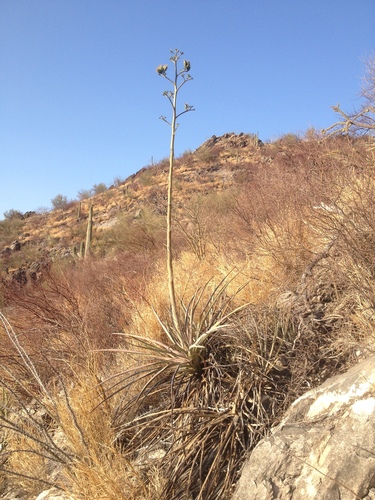
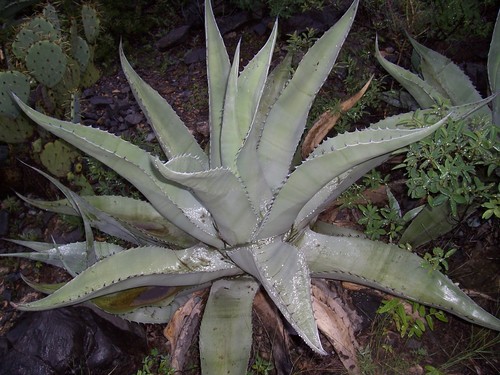
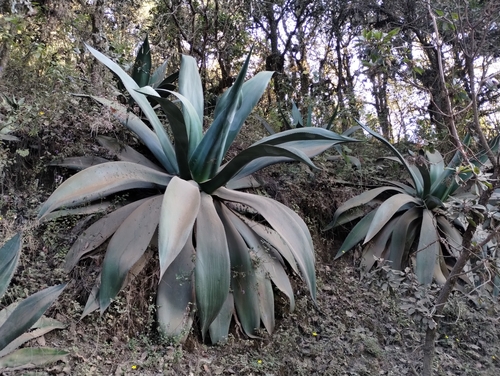
Chlorophytum blepharophyllum
Schweinf. ex Baker
AsparagaceaeRoots

iNaturalist · cc-by-nc-sa
(c) Marco Schmidt, some rights reserved (CC BY-NC-SA), uploaded by Marco Schmidt
(c) Marco Schmidt, some rights reserved (CC BY-NC-SA), uploaded by Marco Schmidt
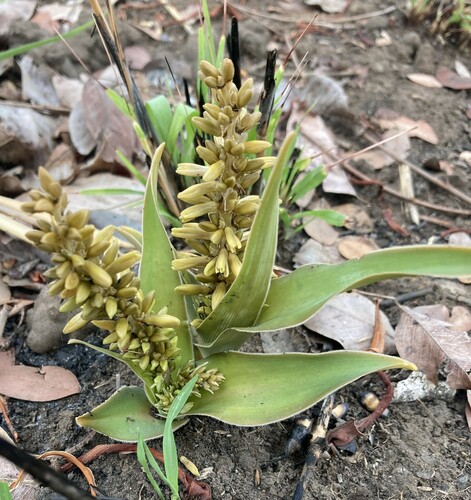
iNaturalist · cc-by-nc
(c) Peter Zika, some rights reserved (CC BY-NC)
(c) Peter Zika, some rights reserved (CC BY-NC)
What to Eat
Edible parts: Tubers, Root
The tubers are eaten, especially by children.
Where to Find It
A tropical plant. It grows on stony sites in moist savannah.
Africa, Burkina Faso, Côte d'Ivoire, East Africa, Guinea, Guinée, Guinea-Bissau, Ivory Coast, Kenya, Mozambique, Nigeria, Senegal, Sierra Leone, West Africa, Zambia, Zimbabwe,
Countries: Angola, Burkina Faso, Burundi, Benin, Botswana, Congo (DRC), Central African Republic, Congo (Republic), Cote d'Ivoire, Cameroon, Cape Verde, Djibouti, Algeria, Egypt, Eritrea, Ethiopia, Gabon, Ghana, Gambia, Guinea, Equatorial Guinea, Guinea-Bissau, Kenya, Comoros, Liberia, Lesotho, Libya, Morocco, Madagascar, Mali, Mauritania, Mauritius, Malawi, Mozambique, Namibia, Niger, Nigeria, Rwanda, Seychelles, Sudan, Sierra Leone, Senegal, Somalia, South Sudan, Sao Tome & Principe, Eswatini, Chad, Togo, Tunisia, Tanzania, Uganda, South Africa, Zambia, Zimbabwe
How to Identify
A herb. It grows 25 cm high. It keeps growing from year to year. The flowering stalks bear pale brown flowers. The roots form small tubers.
Other Information
The tubers are eaten especially by children.
Notes
There are between 200-300 Chlorophytum species. They are mostly in the tropics especially Africa. Also put in the family Anthericaceae and Liliaceae.
Names & Synonyms
Kaluba-wanga, Ndyula, Voluzin titi
Anthericum amplexifolium Engl. ex Poelln.and several others
References (8)
- Burkill, H. M., 1985, The useful plants of west tropical Africa, Vol. 3. Kew.
- Fowler, D. G., 2007, Zambian Plants: Their Vernacular Names and Uses. Kew. p 64
- Glover, et al, 1966b,
- Grivetti, L. E., 1980, Agricultural development: present and potential role of edible wild plants. Part 2: Sub-Saharan Africa, Report to the Department of State Agency for International Development. p 46
- Jardin, C., 1970, List of Foods Used In Africa, FAO Nutrition Information Document Series No 2.p 66
- Mutie, F. M., et al, 2023, Important Medicinal and Food Taxa (Orders and Families) in Kenya, Based on Three Quantitative Approaches. Plants 2023, 12, 1145
- Peters, C. R., O'Brien, E. M., and Drummond, R.B., 1992, Edible Wild plants of Sub-saharan Africa. Kew. p 11
- World Checklist of Useful Plant Species 2020. Royal Botanic Gardens, Kew