Stellaria aquatica
(L.) Scop.
CaryophyllaceaeLeaves

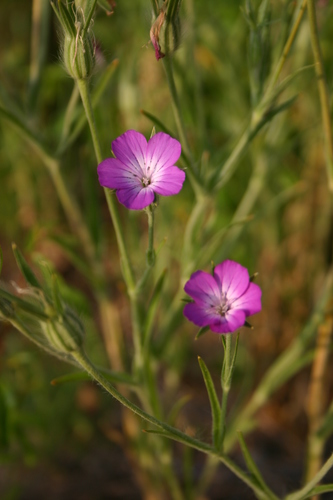
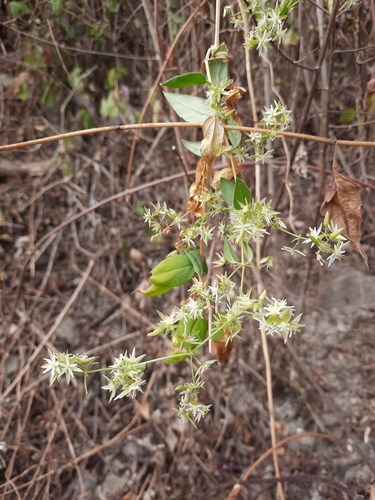
iNaturalist · cc-by
(c) Bill Keim, some rights reserved (CC BY)
(c) Bill Keim, some rights reserved (CC BY)
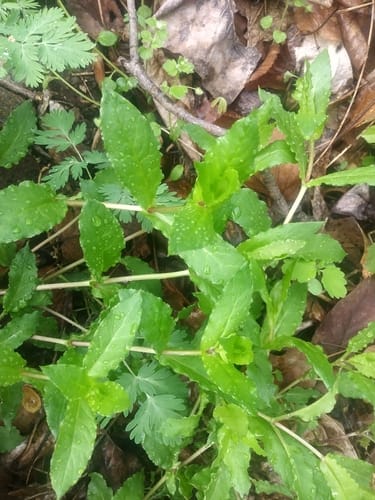
iNaturalist · cc-by-sa
(c) Chris Hoess, some rights reserved (CC BY-SA)
(c) Chris Hoess, some rights reserved (CC BY-SA)

iNaturalist · cc-by-nc
(c) marktwixt, some rights reserved (CC BY-NC)
(c) marktwixt, some rights reserved (CC BY-NC)
What to Eat
Edible parts: Leaves, Vegetable
The tender stems and leaves are boiled or stir-fried and used as a vegetable.
Where to Find It
It is a temperate plant.
Asia, China, Korea,
Countries: United Arab Emirates, Afghanistan, Armenia, Azerbaijan, Bangladesh, Bahrain, Brunei, Bhutan, China, Georgia, Indonesia, Israel, India, Iraq, Iran, Jordan, Japan, Kyrgyzstan, Cambodia, North Korea, South Korea, Kuwait, Kazakhstan, Laos, Lebanon, Sri Lanka, Myanmar, Mongolia, Maldives, Malaysia, Nepal, Oman, Philippines, Pakistan, Qatar, Saudi Arabia, Singapore, Syria, Thailand, Tajikistan, Timor-Leste, Turkmenistan, Turkey, Taiwan, Uzbekistan, Vietnam, Yemen
How to Identify
A temperate herb in the family Caryophyllaceae with tender stems and leaves.
Wikipedia
Source ↗Stellaria aquatica is a species of flowering plant in the carnation family Caryophyllaceae, known as water chickweed or giant chickweed. It is a perennial herbaceous dicot plant with stems between 10 and 100 cm. high, growing in humid, wet areas, for example, on the sides of gutters or under or between bushes. It occurs naturally in the temperate regions of central and western Europe. The flowers are white. The plants bloom between June and August.
Names & Synonyms
Alsine aquatica (L.) BrittonAlsine uliginosa Vill.Cerastium aquaticum L.and others
References (3)
- Cheng, Z., et al, 2022, Ethnobotanical study on wild edible plants used by Dulong people in northwestern Yunnan, China. Journal of Ethnobiology and Ethnomedicine (2022) 18:3
- Hwang, H., et al, 2013, A Study on the Flora of 15 Islands in the Western Sea of Jeollanamdo Province, Korea. Journal of Asia-Pacific Biodiversity Vol. 6, No. 2 281-310
- Reis, S. V. and Lipp, F. L., 1982, New Plant Sources for Drugs and Foods from the New York Botanical Garden herbarium. Harvard. p 60