Micromelum integerrimum
(Buch.-Ham. ex DC.) Wight & Arn. ex M. Roem.
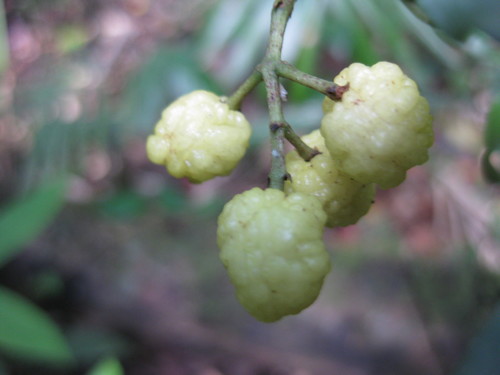
RutaceaeFruit
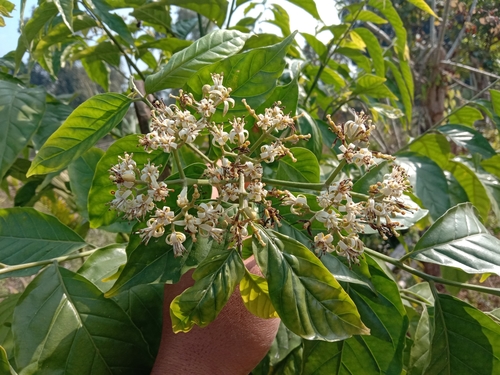
iNaturalist · cc-by-nc
(c) Reta Bahadur Powrel, some rights reserved (CC BY-NC), uploaded by Reta Bahadur Powrel
(c) Reta Bahadur Powrel, some rights reserved (CC BY-NC), uploaded by Reta Bahadur Powrel
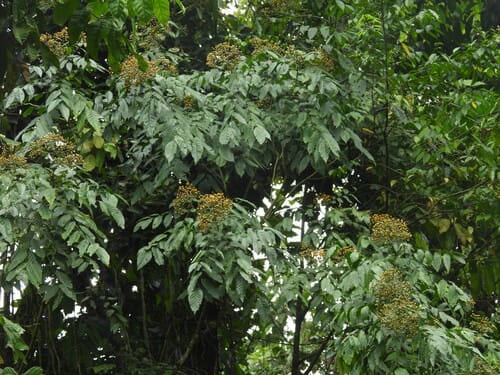
iNaturalist · cc-by-nc
(c) Aparajita Datta, some rights reserved (CC BY-NC)
(c) Aparajita Datta, some rights reserved (CC BY-NC)
What to Eat
Edible parts: Fruit
The ripe fruit are eaten.
Where to Find It
It is a tropical plant. It grows in moist mountain forests and in sandy soil near the sea between sea level to 2,000 m above sea level. In Yunnan.
Asia, Bhutan, Cambodia, China, Himalayas, India, Indochina, Laos, Myanmar, Nepal, Northeastern India, Philippines, SE Asia, Thailand, Tibet, Vietnam,
Countries: United Arab Emirates, Afghanistan, Armenia, Azerbaijan, Bangladesh, Bahrain, Brunei, Bhutan, China, Georgia, Indonesia, Israel, India, Iraq, Iran, Jordan, Japan, Kyrgyzstan, Cambodia, North Korea, South Korea, Kuwait, Kazakhstan, Laos, Lebanon, Sri Lanka, Myanmar, Mongolia, Maldives, Malaysia, Nepal, Oman, Philippines, Pakistan, Qatar, Saudi Arabia, Singapore, Syria, Thailand, Tajikistan, Timor-Leste, Turkmenistan, Turkey, Taiwan, Uzbekistan, Vietnam, Yemen
How to Identify
A small evergreen tree. It grows 6-8 m tall. The bark is grey and smooth. The leaves have 7-15 leaflets. The leaflets are narrowly oval and unequal. The flower petals are yellow. The fruit is oval and 1-2 cm long by 1 cm wide. They are orange. There are 1 or 2 seeds.
Names & Synonyms
Ban jamir, Karai
References (2)
- Majumdar, K and Datta, N., 2009, Traditional wild edible fruits for the forest dwellers of Tripura, India. Pleione 3(2) 167-178
- Reis, S. V. and Lipp, F. L., 1982, New Plant Sources for Drugs and Foods from the New York Botanical Garden herbarium. Harvard. p 144