Opuntia wilcoxii
Britton & Rose
Nopal, Navo

(c) Alberto, some rights reserved (CC BY-NC), uploaded by Alberto
(c) rpmundo, some rights reserved (CC BY-NC)

(c) FRANCISCO MIGUEL FARRIOLS ESTRADA, some rights reserved (CC BY-NC)
What to Eat
Edible parts: Fruit
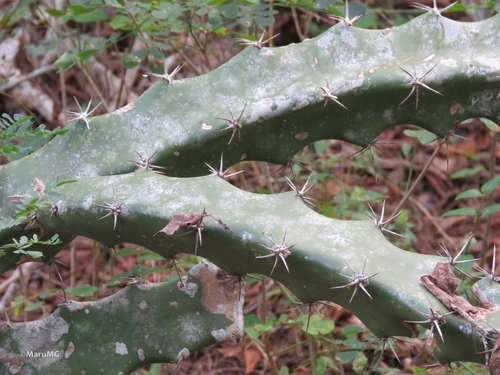
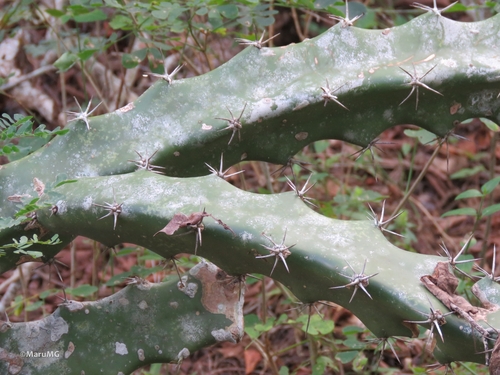
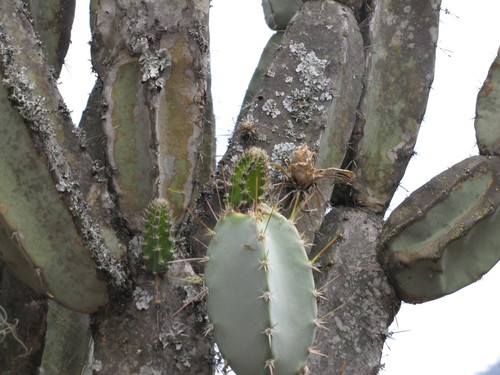
Fruits - raw or cooked. The pear shaped fruit is free of spines, uo to 40mm long and 3omm in diameter. Stem segments - raw or cooked. The thin, oblong stem segments are dark green with purplish tints, up to 20cm long. The tender young stem segments of various species are often cooked as a vegetable. Known as ‘nopals’ in Mexico, where they are a common ingredient in numerous dishes, they can be eaten raw or cooked, used in marmalades, soups, stews and salads. The most commonly used species are Opuntia ficus-indica or Opuntia hyptiacantha (syn Opuntia matudae), although the stems of almost all Opuntia species are edible.
Known Hazards
Where to Find It
It is a tropical plant. It grows from sea level to 350 m above sea lebvel.
Mexico, North America,
How to Identify
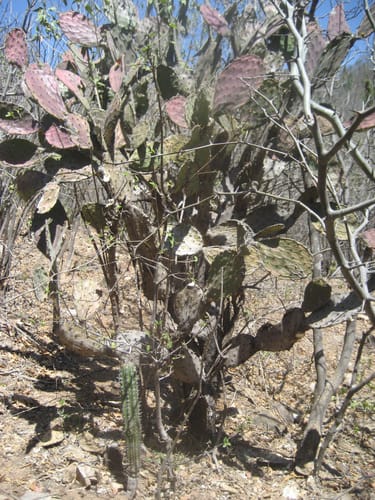
A cactus. This prickly pear can grow to be a small tree. The spines can be bright yellow.
Medicinal Uses
We have no specific information on medicinal uses for this species, but the following notes are likely to apply universally to Opuntia species and other related genera. The flesh of tender young stem segments can be applied as a poultice to reduce inflammation. The mucilage and soluble fibre found in the flowers and stem segments have been shown to help control blood-sugar levels associated with adult-onset diabetes. There is clinical evidence that the soluble fibre in the stem segments helps reduce blood cholesterol levels.
References (2)
- Martin, P. S. et al, (Eds.), 1998, Gentry's Rio Mayo Plants. The Tropical Deciduous Forest & Environs of Northwest Mexico. University of Arizona Press. p 281
- Yetman, D., 2002, The Guarijios of the Sierra Madre: Hidden People of Northwestern Mexico. University of New Mexico Press. p 190