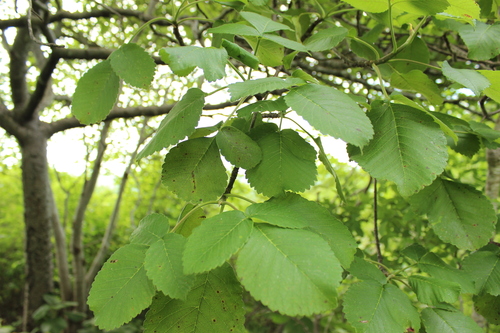
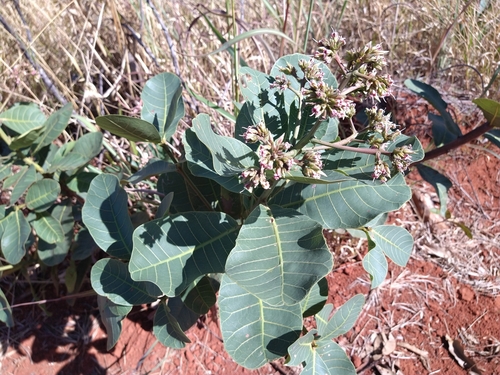
Mangifera equina
Crevost & Lemarie

wikimedia · cc0
Wikimedia Commons - Walter Hood Fitch (1817-1892) del. et lith. Description by John Smith (1798 - 1888)
Wikimedia Commons - Walter Hood Fitch (1817-1892) del. et lith. Description by John Smith (1798 - 1888)
What to Eat
Edible parts: Fruit ?
The tree is better known for its fruit than for its timber. However, mango trees can be converted to lumber once their fruit-bearing lifespan has finished. The wood is susceptible to damage from fungi and insects. The wood is used for musical instruments such as ukuleles, plywood and low-cost furniture. The bark is used to produce a yellow dye.
Known Hazards
Where to Find It
It is a tropical plant.
How to Identify
A tropical tree in the Anacardiaceae family.
Notes
An unresolved name in The Plant List.
Names & Synonyms
Xoai ngua
References (1)
- Brevard County Edible Acres