Convallaria keiskei
Miq.

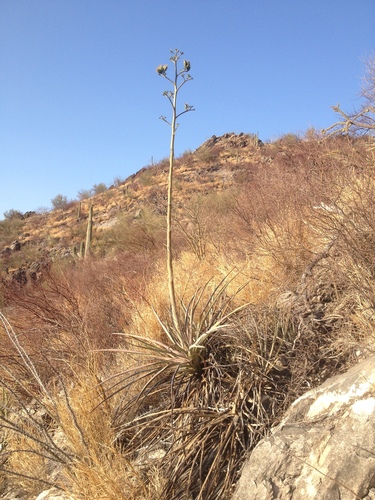
(с) onidiras-iNaturalist, некоторые права защищены (CC BY-NC), загрузил onidiras-iNaturalist

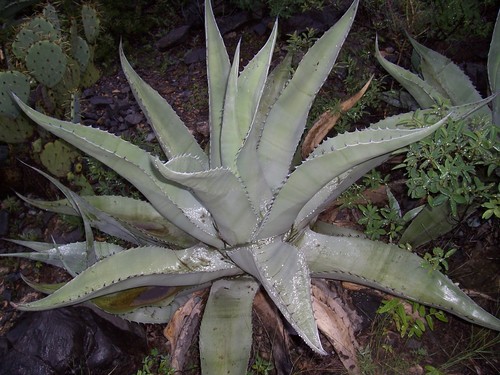
(c) Ochgerel, some rights reserved (CC BY-NC)
What to Eat
Edible parts: Flowers - tea
The whole plant can be cooked as a potherb or added to miso soup. Caution is advised regarding toxicity. The flowers and flower buds are preserved in salt or combined with leaf tea and drunk.
Known Hazards
Where to Find It
It is a temperate plant.
Asia, Japan, Korea, Mongolia,
How to Identify
Perennial herb reaching 0.3 m tall. Hardy to UK zone 3 and frost-hardy. Flowers April to May. Hermaphroditic, self-fertile, pollinated by bees and flies. Grows in light sandy, medium loamy, or heavy clay soils with mildly acid, neutral, or mildly alkaline pH. Tolerates full shade, semi-shade, or full sun, and adapts to dry, moist, or wet soil.
How to Grow
Succeeds in almost any situation, including the dense dry shade of large trees. Prefers a position in semi-shade in a moderately fertile well-drained moist woodland soil. Grows well in heavy clay soils. Plants are hardy to -20°c or lower. A good bee plant. A very ornamental plant, though it can become very invasive once it is established. Plants seem to be immune to the predations of rabbits.
Propagation: Sow seed as soon as it is ripe, or in late winter, in a cold frame. Germination, especially of stored seed, can be very slow, taking 2 to 12 months or more at 15°C. Sow thinly so seedlings can remain undisturbed in the pot for their first year. Apply liquid feed during the growing season to keep seedlings well nourished. Divide young plants into individual pots when they die down in late summer and grow on in a shady cold frame for at least another year before planting out into permanent positions while dormant. Division in September is straightforward; larger clumps can go directly into permanent positions, while smaller clumps are better potted up in a cold frame until rooting well, then planted out in spring.
Medicinal Uses
No medicinal uses are known for this plant.
Other Uses
Plants can be grown as ground cover in woodland shade or in a shrubbery.
Wikipedia
Perennial herb reaching 0.3 m tall. Hardy to UK zone 3 and frost-hardy. Flowers April to May. Hermaphroditic, self-fertile, pollinated by bees and flies. Grows in light sandy, medium loamy, or heavy clay soils with mildly acid, neutral, or mildly alkaline pH. Tolerates full shade, semi-shade, or full sun, and adapts to dry, moist, or wet soil.
Names & Synonyms
References (1)
- Urgamal, M., Oyuntsetseg, B., Nyambayar, D. & Dulamsuren, Ch. 2014. Conspectus of the vascular plants of Mongolia. (Editors: Sanchir, Ch. & Jamsran, Ts.). Ulaanbaatar, Mongolia. p 50