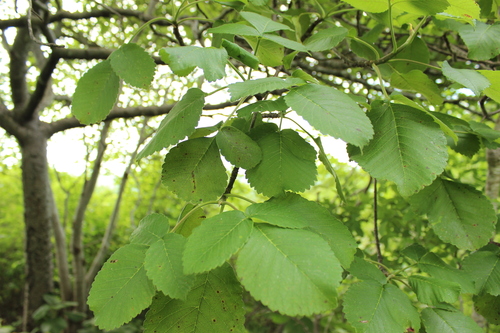
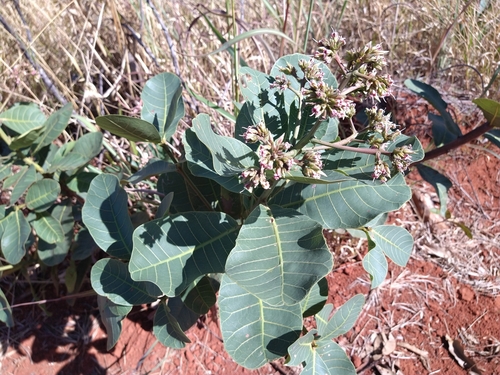
Dracontomelon macrocarpum
H. L. Li
Grimace
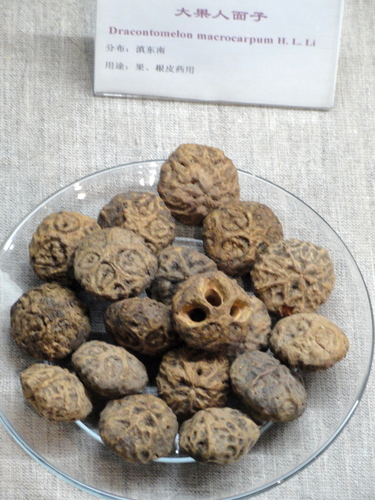
Daderot, no known copyright restrictions (public domain)

Wikimedia Commons - Daderot

President and Fellows of Harvard College
What to Eat
Edible parts: Fruit
The fruit is eaten.
Where to Find It
It is a tropical plant. It is native to Yunnan. It grows in hill forests at about 1,200 m above sea level.
Asia, China,
How to Identify
A tree. It grows 18 m tall. The branches are greyish brown. The leaves are 50 cm long and have leaflets along the stalk and one at the end. The leaflets are alternate. The leaflets are 9-13 cm long by 3-4 cm wide and are not equal on both sides. The fruit is fleshy and 4-5 cm across. The seed is 3 sided and 12 mm long by 6 mm wide.
Other Uses
We do not have any specific information on the wood of this species. However, the following is a general description of the wood from plants in this genus:- The heartwood varies from light brown, grayish, greenish-yellow to reddish-brown, often with irregular dark brown to nearly black banding; the wide band of sapwood is pinkish, or grayish. The texture is moderately fine to coarse; the grain straight to interlocked and irregular, with a decorative figure if quarter cut; the wood is lustrous; there is no distinctive odour or taste. The heartwood is not durable and is not resistant to termite attack. The wood is easy to work; glues satisfactorily; takes a good finish and polish; veneers well. It is used for purposes such as furniture and cabinetwork, paneling, decorative veneers (walnut-like in appearance), gunstocks, flooring, joinery.
Names & Synonyms
Gui lian
References (1)
- www.ethnobiomed.com