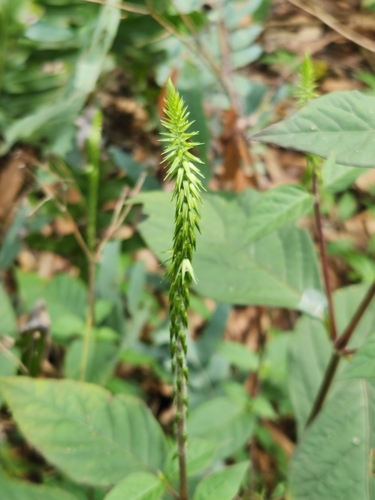
Atriplex subspicata
(Nutt.) Rydb.
Orache
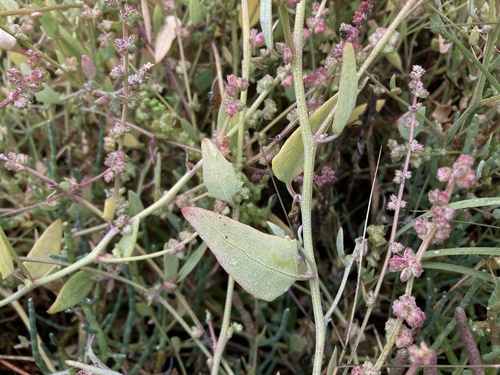
iNaturalist · cc-by-nc
(c) Peter Zika, some rights reserved (CC BY-NC)
(c) Peter Zika, some rights reserved (CC BY-NC)
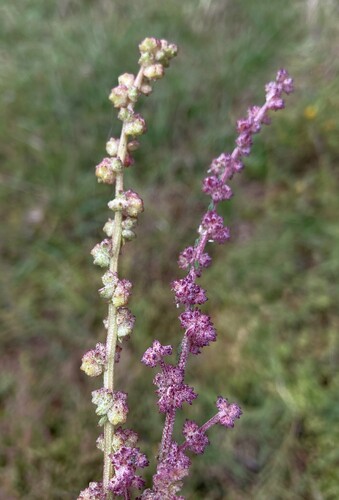
iNaturalist · cc-by-nc
(c) Peter Zika, some rights reserved (CC BY-NC)
(c) Peter Zika, some rights reserved (CC BY-NC)
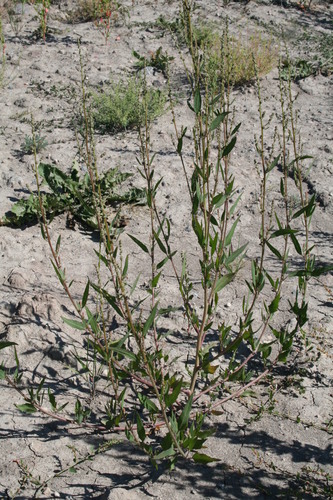
iNaturalist · cc-by-nc
(c) Michael John Oldham, some rights reserved (CC BY-NC)
(c) Michael John Oldham, some rights reserved (CC BY-NC)
What to Eat
Edible parts: Leaves, Seeds, Ashes
The leaves are cooked and eaten, and the seeds are eaten raw. The ashes are used for leavening.
Where to Find It
It is a subtropical plant.
Asia,
Countries: United Arab Emirates, Afghanistan, Armenia, Azerbaijan, Bangladesh, Bahrain, Brunei, Bhutan, China, Georgia, Indonesia, Israel, India, Iraq, Iran, Jordan, Japan, Kyrgyzstan, Cambodia, North Korea, South Korea, Kuwait, Kazakhstan, Laos, Lebanon, Sri Lanka, Myanmar, Mongolia, Maldives, Malaysia, Nepal, Oman, Philippines, Pakistan, Qatar, Saudi Arabia, Singapore, Syria, Thailand, Tajikistan, Timor-Leste, Turkmenistan, Turkey, Taiwan, Uzbekistan, Vietnam, Yemen
How to Identify
A subtropical herb in the amaranth family with edible leaves and seeds.
Names & Synonyms
Saltbush, Spearscale
Atriplex patula var. subspicata (Nutt.) S. WatsonChenopodium subspicatum Nutt.
References (1)
- Kermath, B. M., et al, 2014, Food Plants in the Americas: A survey of the domesticated, cultivated and wild plants used for Human food in North, Central and South America and the Caribbean. On line draft. p 104