Atriplex wrightii
S. Watson
Wright's saltbush
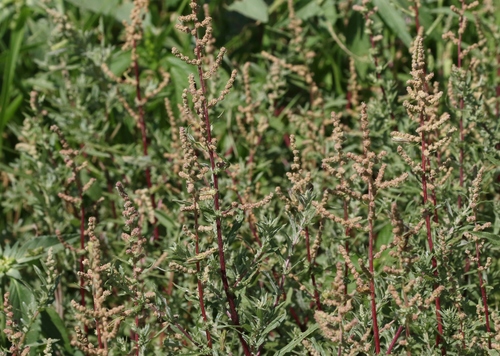
(c) James Bailey, some rights reserved (CC BY-NC), uploaded by James Bailey
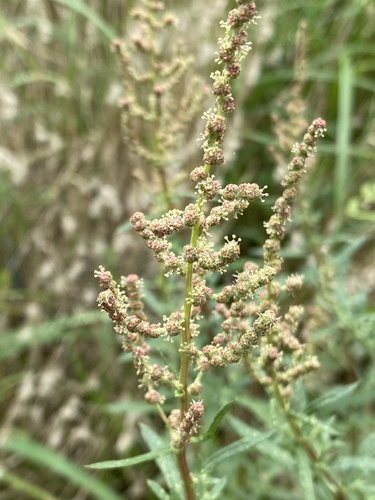
(c) Daniel McNair, some rights reserved (CC BY), uploaded by Daniel McNair
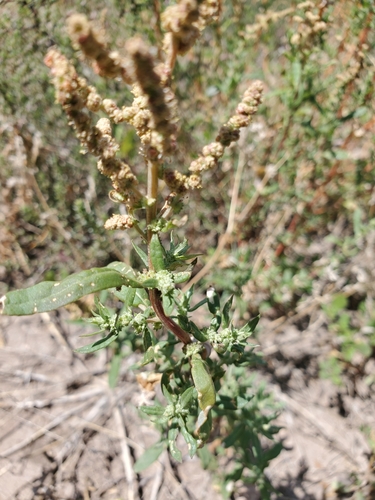
(c) jennmarie, some rights reserved (CC BY-NC), uploaded by jennmarie
What to Eat
Edible parts: Leaves, Seeds
Edibility (summary & rating). Leaves esteemed as potherbs by the Pima; boil to temper salts/irritants. Seeds are likely usable as in other Atriplex, though not highlighted here. Edibility rating: 3/5 (good boiled green when young). Parts used & preparation: Leaves - Harvest tender spring growth, boil (change water if needed), and use as a side vegetable. Seeds: If attempted, process as for orache—thresh/winnow/grind; cook [2-3]. Harvest tips. Take only young, tender shoots; if very briny/irritating, blanch, refresh, then finish cooking [2-3]. Traditional uses. Pima potherb (“salt greens”).
Known Hazards
Where to Find It
It is a temperate plant.
Mexico, North America, USA,
How to Identify
Evergreen shrub reaching 1 m tall and wide at medium growth rate, hardy to UK zone 8 and frost-hardy. Wind-pollinated. Prefers light sandy to medium loamy well-drained soils of poor fertility; grows in neutral to very alkaline and saline soils. Full sun required; tolerates both dry and moist conditions with good drought resistance.
How to Grow
It is an annual and grows primarily in the desert or dry shrubland biome. The native range of this species is Arizona to W. Texas and Mexico (Sonora, Chihuahua). Season & phenology: Often flowers in spring; leafy flush early with moisture pulses. Identification notes: Scurfy herb, bright gray-green; typical Atriplex bractlets on female flowers; recognized locally as “salt greens.” Habitat & distribution: Desert swales, ephemeral washes, saline flats of s. AZ/NM/TX. Growing conditions & cultivation: Full sun; drought/alkali tolerant; responds to summer rains. Hardiness: Warm-season annual/biennial; reseeds reliably in USDA 7–10. Size & habit: 30–100 cm, branching clumps. Weed potential: Low–moderate. Abundant after disturbance/rains but not typically invasive outside niche. Lookalikes & cautions: Other desert oraches; same oxalate/nitrate precautions—boil and moderate use.
Propagation: By seed; shallow sow after winter or with summer monsoon moisture.
Medicinal Uses
None Known
Other Uses
Good for desert swales, ephemeral washes, saline flats Special Uses
Wikipedia
Evergreen shrub reaching 1 m tall and wide at medium growth rate, hardy to UK zone 8 and frost-hardy. Wind-pollinated. Prefers light sandy to medium loamy well-drained soils of poor fertility; grows in neutral to very alkaline and saline soils. Full sun required; tolerates both dry and moist conditions with good drought resistance.
Names & Synonyms
Atriplex wrightii — Wright’s Saltweed, Obione wrightii, Atriplex radiata
References (2)
- Kermath, B. M., et al, 2014, Food Plants in the Americas: A survey of the domesticated, cultivated and wild plants used for Human food in North, Central and South America and the Caribbean. On line draft. p 104
- World Checklist of Useful Plant Species 2020. Royal Botanic Gardens, Kew