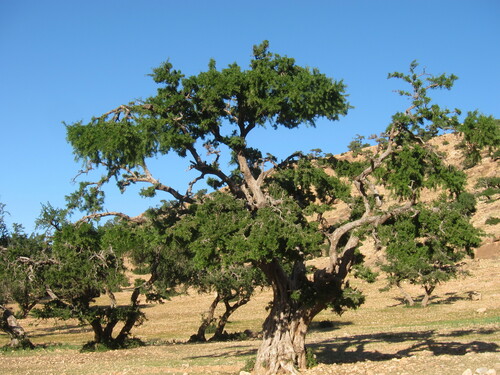
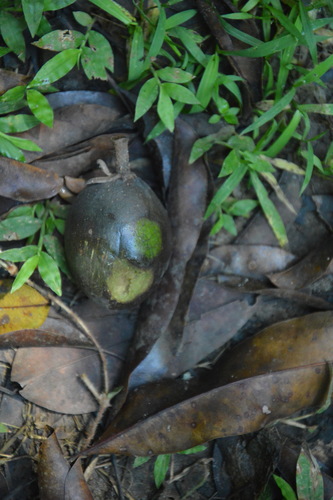
Chrysophyllum eximium
Ducke
SapotaceaeFruit

iNaturalist · cc-by-nc
(c) Nils Servientis - Bivouac Naturaliste, some rights reserved (CC BY-NC), uploaded by Nils Servientis - Bivouac Naturaliste
(c) Nils Servientis - Bivouac Naturaliste, some rights reserved (CC BY-NC), uploaded by Nils Servientis - Bivouac Naturaliste
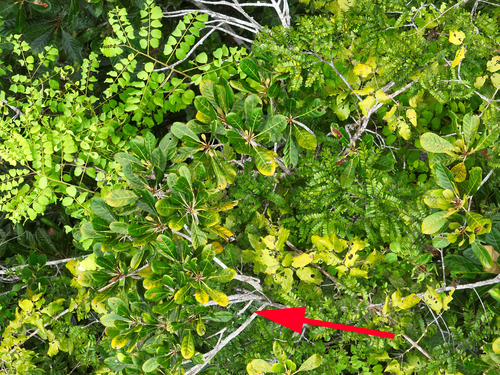
iNaturalist · cc-by-nc
(c) esa_bt, some rights reserved (CC BY-NC)
(c) esa_bt, some rights reserved (CC BY-NC)

iNaturalist · cc-by-nc
(c) Nils Servientis - Bivouac Naturaliste, some rights reserved (CC BY-NC)
(c) Nils Servientis - Bivouac Naturaliste, some rights reserved (CC BY-NC)
What to Eat
Edible parts: Fruit
The fruit are eaten raw.
Where to Find It
It is a tropical plant. It grows in lowland rainforest and can be on occasionally flooded land.
Amazon, Brazil, French Guiana, Guianas, South America, Suriname,
How to Identify
A tree. It grows 20 m tall and has a trunk 35 cm across. The leaves have a rusty coating underneath. There are 5-10 flowers in a group. The fruit are oval to round and 5-7 cm long by 5-6 cm wide. They are green to yellow and turn brown. There are 2-5 seeds.
Wikipedia
Source ↗Chrysophyllum eximium is a tree in the family Sapotaceae, native to tropical South America.
Names & Synonyms
Cuquirana, Guajara-rana, Massaranuba-rana
Chrysophyllum rufocupreum DuckeEcclinusa eximia (Ducke) CronquistEcclinisua rufocuprea (Ducke) Cronquist
References (3)
- Fouqué, A., 1972, Espèces fruitières d'Amérique tropicale. Institut français de recherches fruitierès outre-mer (ifac)
- Kermath, B. M., et al, 2014, Food Plants in the Americas: A survey of the domesticated, cultivated and wild plants used for Human food in North, Central and South America and the Caribbean. On line draft. p 224
- Van Roosmalen, M.G.M., & Garcia, O. M., 2000, Fruits of the Amazonian Forest. Part 2: Sapotaceae. Acta Amazonica 30(2): 187-290