Davilla nitida
(Vahl) Kubitzki
DilleniaceaeShoots

iNaturalist · cc-by-nc
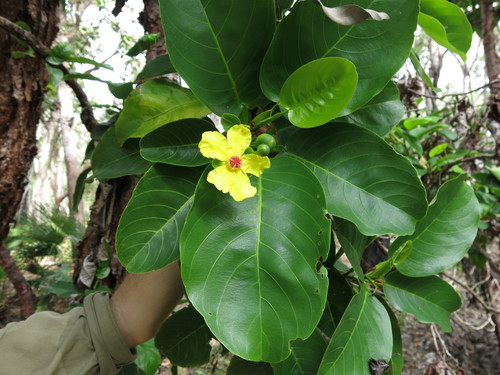
(c) Guillaume Léotard, some rights reserved (CC BY-NC), uploaded by Guillaume Léotard
(c) Guillaume Léotard, some rights reserved (CC BY-NC), uploaded by Guillaume Léotard

iNaturalist · cc-by-nc
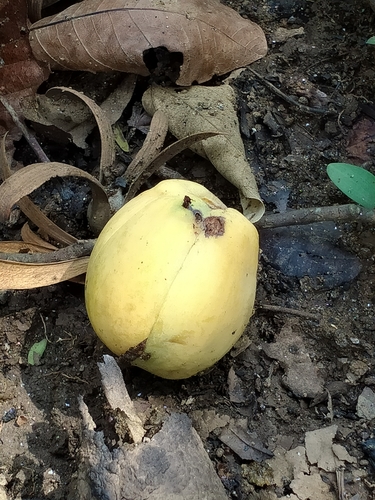
(c) Jessica Launay, some rights reserved (CC BY-NC)
(c) Jessica Launay, some rights reserved (CC BY-NC)
What to Eat
Edible parts: Stem - water
Water can be extracted from the stem.
Where to Find It
It is a tropical plant.
Amazon, Belize, Bolivia, Brazil, Central America, Colombia, Costa Rica, Cuba, Ecuador, French Guiana, Guatemala, Guyana, Honduras, Jamaica, Mexico, Nicaragua, Panama, Peru, South America, Suriname, Trinidad-Tobago, Venezuela, West Indies,
Countries: Antigua & Barbuda, Argentina, Barbados, Bolivia, Brazil, Bahamas, Belize, Chile, Colombia, Costa Rica, Cuba, Dominica, Dominican Republic, Ecuador, Grenada, French Guiana, Guatemala, Guyana, Honduras, Haiti, Jamaica, St Kitts & Nevis, St Lucia, Mexico, Nicaragua, Panama, Peru, Puerto Rico, Paraguay, Suriname, El Salvador, Trinidad & Tobago, Uruguay, St Vincent, Venezuela
How to Identify
A tropical tree in the Dilleniaceae family.
Names & Synonyms
Davilla ciliata A. Rich.Tetracera nitida Vahland others
References (2)
- Kermath, B. M., et al, 2014, Food Plants in the Americas: A survey of the domesticated, cultivated and wild plants used for Human food in North, Central and South America and the Caribbean. On line draft. p 299
- Kew Plants of the World Online