Delima sarmentosa
L.

Wikimedia Commons - Francisco Manuel Blanco (O.S.A.)

Wikimedia Commons - Francisco Manuel Blanco (O.S.A.)
What to Eat
Edible parts: Stems - water
The water from stems is consumed.
Where to Find It
It is a subtropical plant.
Andamans, Asia, India, Northeastern India,
How to Identify
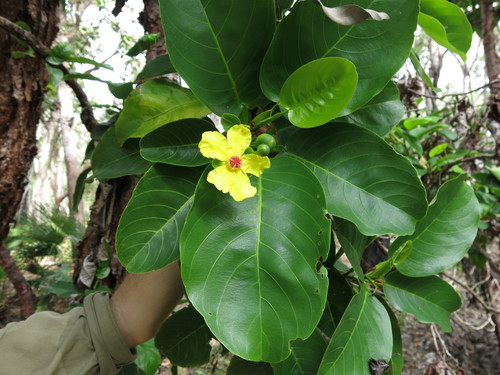
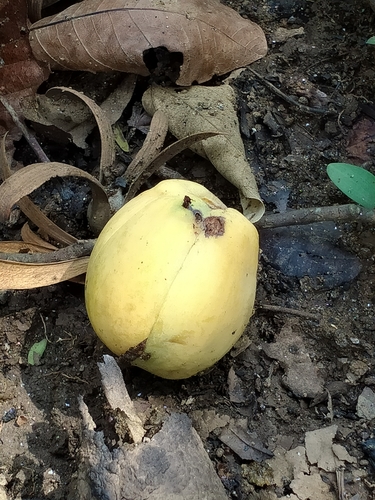
A woody climber. The branches are reddish brown. The leaves are rough and have parallel veins. The flowers are white and have a scent. The fruit are oval and have many seeds.
Medicinal Uses
The plant is one of the foods fed to captive elephants in Sri Lanka. It is reported that Karbi and Munda peoples of Assam use cut stems to obtain water in dense forests where there is no other source. The root extract of Tetracera sarmentosa is used for treatment of rheumatism by the Tanchangya people, Bangladesh. The species has a number of leaf extracts that have potential medical effects, though there is no evidence that the plant is effective against any disease.
Notes
The name is ambiguous.
Names & Synonyms
Panilewa
References (1)
- Wild edible plants of Himachal Pradesh