Inga ciliata
C. Presl.
Ciliate inga
FabaceaeFruit
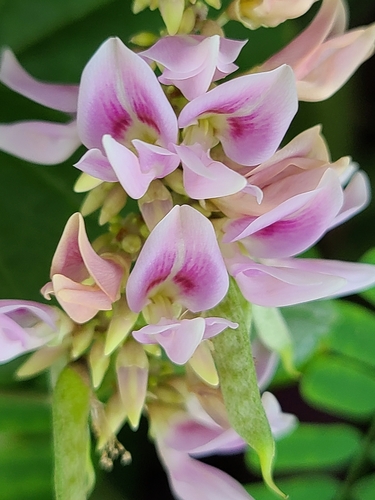
iNaturalist · cc-by-nc
(c) Sonia Liliana, some rights reserved (CC BY-NC), uploaded by Sonia Liliana
(c) Sonia Liliana, some rights reserved (CC BY-NC), uploaded by Sonia Liliana
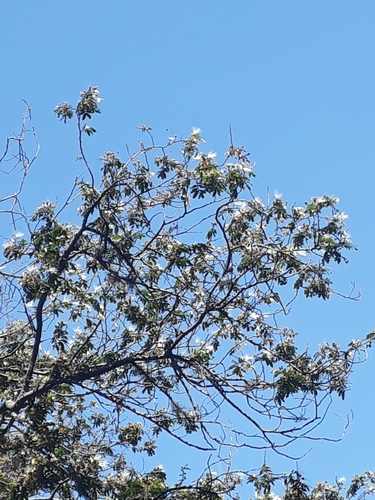
iNaturalist · cc-by-nc
(c) Sonia Liliana, some rights reserved (CC BY-NC), uploaded by Sonia Liliana
(c) Sonia Liliana, some rights reserved (CC BY-NC), uploaded by Sonia Liliana

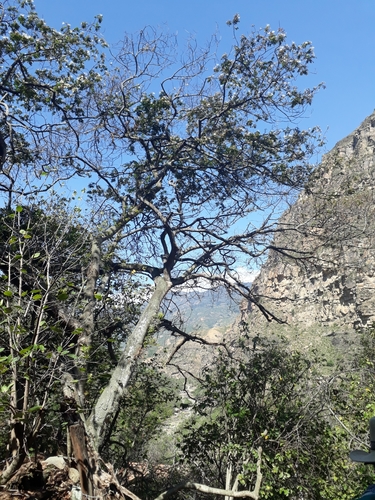
wikimedia · cc0
Wikimedia Commons - Marcgraf, George
Wikimedia Commons - Marcgraf, George
What to Eat
Edible parts: Fruit
The pulp of the fruit is eaten.
Where to Find It
It is a tropical plant.
Amazon, Brazil, Central America, Colombia, Costa Rica, Ecuador, Peru, South America,
How to Identify
A tropical tree in the legume family that produces long fruit pods. It grows readily from seed, with seeds germinating in 1-2 weeks under moist, shaded conditions.
How to Grow
Plants grow easily from seeds. Seeds germinate in 1-2 weeks given moisture and shade.
Names & Synonyms
Eweman, Guaba de monte, Guabilla, Pairajo de altura, Vurupa fino
Feuilleea ciliata (C. Presl) KuntzeFeuilleea leptantha (Benth.) KuntzeInga ciliata var. parvifolia Benth.Inga coerulescens Benth.Inga leptantha Benth.Inga fagaraefolia Benth.Inga microphylla Benth.
References (6)
- Grandtner, M. M. & Chevrette, J., 2013, Dictionary of Trees, Volume 2: South America: Nomenclature, Taxonomy and Ecology. Academic Press p 320
- Kermath, B. M., et al, 2014, Food Plants in the Americas: A survey of the domesticated, cultivated and wild plants used for Human food in North, Central and South America and the Caribbean. On line draft. p 437
- Kew Plants of the World On line
- Lopez-Diago, D. & Garcia, N., 2021, Wild edible fruits of Colombia. Biota ColomBiana 22 (2) p 37
- Roa, J. A. G. & Boada, D. S. G., 2018, Fundación para el Fortalecimiento de la Fruticultura y Plantas Alimenticias no Convencionales en Colombia.
- Torre, de la, L., et al, 2008, Enciclopedia de las Plantas Útiles del Ecuador. Herbario QCA. Pontificia Universidad Católica del Ecuador. p 343