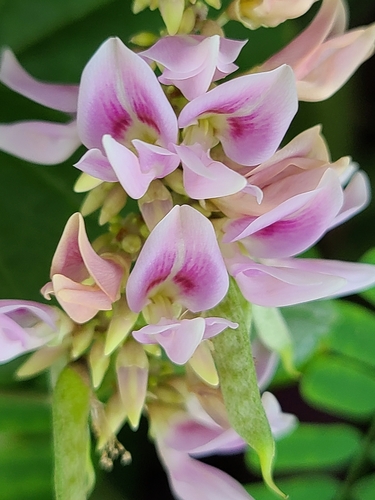
Inga gracilifolia
Ducke
Gracefulleaf inga
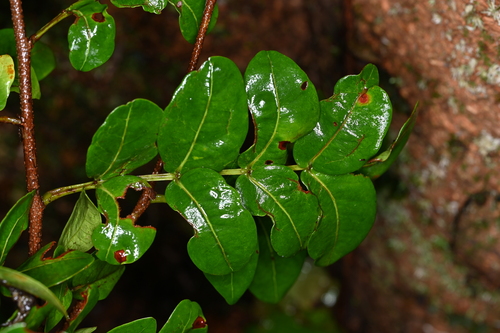
(c) Robin Heymans, some rights reserved (CC BY-NC), uploaded by Robin Heymans
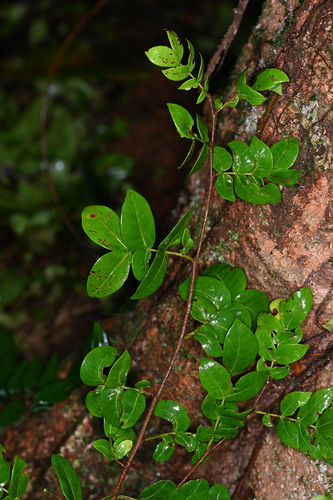
(c) Robin Heymans, some rights reserved (CC BY-NC), uploaded by Robin Heymans
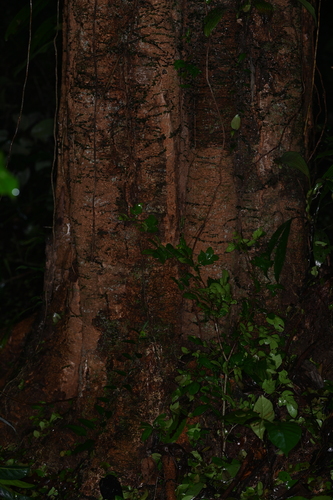
(c) Robin Heymans, some rights reserved (CC BY-NC), uploaded by Robin Heymans
What to Eat
Edible parts: Fruit aril
Although we have no specific information on this species, the pulp surrounding the seeds of many members of the genus is sweet and edible.
Where to Find It
It is a tropical plant.
Amazon, Brazil, Colombia, French Guiana, Guyana, Peru, South America, Venezuela,
How to Identify
A tropical tree in the Fabaceae family producing long fruit pods. It grows easily from seed, with germination occurring in 1-2 weeks in moist, shaded conditions.
How to Grow
Plants grow easily from seeds. Seeds germinate in 1-2 weeks given moisture and shade.
Medicinal Uses
A decoction of the bark is used for treating colic.
Other Uses
The wood of Inga species is generally attractive, but it has a coarse texture, is susceptible to attack by dry-wood termites and is not durable in the soil.
Names & Synonyms
Guamo monero, Pacaicillo, Shimbillo, Yari-yari
References (4)
- Grandtner, M. M. & Chevrette, J., 2013, Dictionary of Trees, Volume 2: South America: Nomenclature, Taxonomy and Ecology. Academic Press p 321
- Kermath, B. M., et al, 2014, Food Plants in the Americas: A survey of the domesticated, cultivated and wild plants used for Human food in North, Central and South America and the Caribbean. On line draft. p 439
- Kew Plants of the World On line
- Roa, J. A. G. & Boada, D. S. G., 2018, Fundación para el Fortalecimiento de la Fruticultura y Plantas Alimenticias no Convencionales en Colombia.