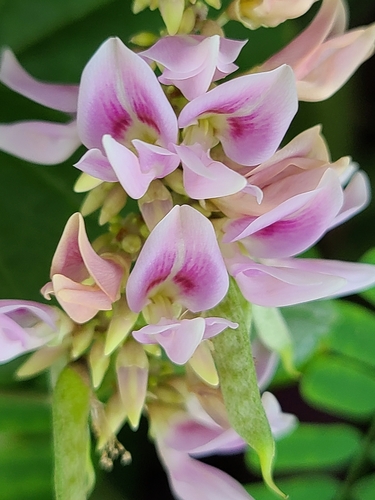
Inga semialata
(Vell.) C. Mart.
FabaceaeFruit
iNaturalist · cc-by-nc
(c) jadelluise, some rights reserved (CC BY-NC)
(c) jadelluise, some rights reserved (CC BY-NC)
iNaturalist · cc-by-nc
(c) jadelluise, some rights reserved (CC BY-NC)
(c) jadelluise, some rights reserved (CC BY-NC)
iNaturalist · cc-by-nc
(c) jadelluise, some rights reserved (CC BY-NC)
(c) jadelluise, some rights reserved (CC BY-NC)
What to Eat
Edible parts: Fruit
The aril or fleshy layer surrounding the seeds is eaten.
Where to Find It
It is a tropical plant. It grows up to abut 400 m above sea level.
Amazon, Andes, Argentina, Brazil, Central America, Colombia, Costa Rica, Mexico, South America,
How to Identify
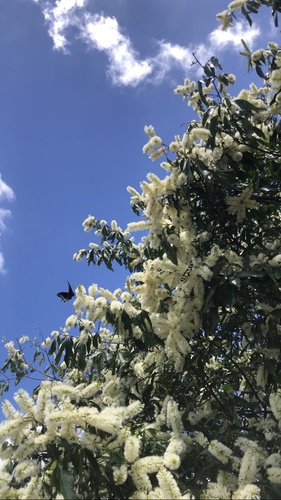
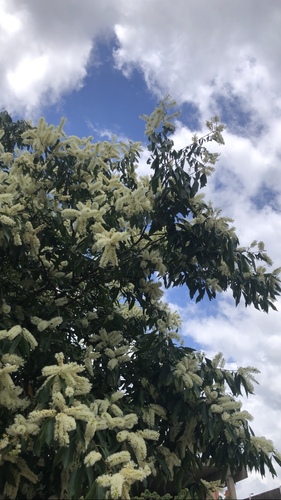
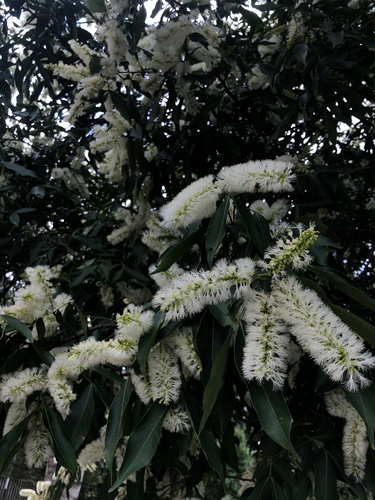
A tropical tree in the Fabaceae family with long pod fruits, found at elevations up to about 400 m above sea level. It grows readily from fresh seeds, which germinate within 1-2 weeks in moist, shaded conditions.
How to Grow
Plants grow easily from fresh seeds. Seeds germinate in 1-2 weeks given moisture and shade.
Names & Synonyms
Inga-feijao
Feuilleea marginata (Willd.) KuntzeInga excelsa Poepp.Inga fagifolia var. marginata (Willd.) Hassl.Inga guayaquilensis G. DonInga leptostachya Benth.Inga marginata Willd.Inga microcoma HarmsInga odorata G. DonInga puberula Benth.Inga pycnostachya Benth.Inga sapida KunthMimosa semialata Vell.
References (4)
- Bortolotto, I. M., et al, 2018, Lista preliminar das plantas alimenticias nativas de Mato Grosso do Sul, Brasil. Iheringia, Serie Botanica, Porto Alegre, 73 (supl.):101-116
- Kermath, B. M., et al, 2014, Food Plants in the Americas: A survey of the domesticated, cultivated and wild plants used for Human food in North, Central and South America and the Caribbean. On line draft. p 446
- Lopez-Diago, D. & Garcia, N., 2021, Wild edible fruits of Colombia. Biota ColomBiana 22 (2) p 39
- Piedra-Malagón, E. M., et al, 2022, Edible native plants of the Gulf of Mexico Province. Biodiversity Data Journal 10: e80565 p 21