Ipomoea bracteata
Cav.
Wild Jicama
ConvolvulaceaeRoots

iNaturalist · cc-by-nc
(c) olivercruz1, some rights reserved (CC BY-NC)
(c) olivercruz1, some rights reserved (CC BY-NC)
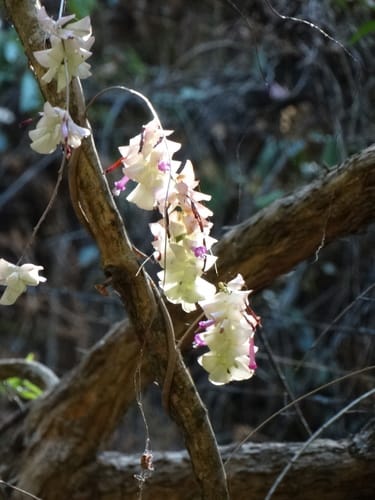
iNaturalist · cc-by-nc
(c) Carlos Galindo-Leal, some rights reserved (CC BY-NC)
(c) Carlos Galindo-Leal, some rights reserved (CC BY-NC)
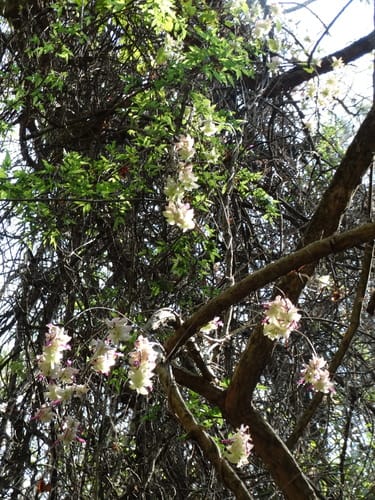
iNaturalist · cc-by-nc
(c) Carlos Galindo-Leal, some rights reserved (CC BY-NC)
(c) Carlos Galindo-Leal, some rights reserved (CC BY-NC)
What to Eat
Edible parts: Roots, Tubers
The roots and tubers are eaten raw or cooked.
How to Identify
A tropical vine in the morning glory family, also cultivated as a food plant.
How to Grow
A plant of subtropical to tropical areas where it is found at elevations from near sea level to over 1,500 metres.
Wikipedia
Source ↗Ipomoea bracteata is a species of plant in the bindweed family Convolvulaceae. It is endemic to Mexico.
Other Information
It is also cultivated.
Names & Synonyms
Azalia de la barranca, Bejuco blanco, Camote blanco, Catispa, Chile pato, Jicama, Papada de gallo
Convolvulus bractiflorus Sesse & Moc.Exogonium bracteatum var. pubescens (Rob. & Greenm.) HouseExogonium olivae BarcenaExogonium spicatum (Kunth) ChoisyIpomoea bracteata var. pubescens Rob. & Green.Ipomoea spicata Kunth
References (5)
- Kermath, B. M., et al, 2014, Food Plants in the Americas: A survey of the domesticated, cultivated and wild plants used for Human food in North, Central and South America and the Caribbean. On line draft. p 450
- Piedra-Malagón, E. M. et al, 2022, Edible native plants of the Gulf of Mexico Province. Biodiversity Data Journal 10: e80565 p 17
- Pio-Leon, J. F., et al, 2017, Prioritizing Wild Edible Plants of potential new crops based on Deciduous Forest traditional knowledge by a Rancher community. Botanical Sciences 95(1): 47-59
- Wiersema, J. H. & Leon, B., 2013, World Economic Plants. A Standard Reference CRC Press. 2nd Ed. p 366
- World Checklist of Useful Plant Species 2020. Royal Botanic Gardens, Kew


