Kallstroemia maxima
(L.) Hook. & Arn.
Big caltrop
ZygophyllaceaeLeaves
iNaturalist · cc-by-nc
(c) Lena Zappia, some rights reserved (CC BY-NC), uploaded by Lena Zappia
(c) Lena Zappia, some rights reserved (CC BY-NC), uploaded by Lena Zappia

iNaturalist · cc-by-nc
(c) Mian Vare, some rights reserved (CC BY-NC), uploaded by Mian Vare
(c) Mian Vare, some rights reserved (CC BY-NC), uploaded by Mian Vare

iNaturalist · cc-by-nc
(c) JaguarGozandoSelva, some rights reserved (CC BY-NC), uploaded by JaguarGozandoSelva
(c) JaguarGozandoSelva, some rights reserved (CC BY-NC), uploaded by JaguarGozandoSelva
What to Eat
Edible parts: Leaves
The leaves are used as a potherb.
Where to Find It
It is a tropical plant.
Brazil, Central America, Dominican Republic, Nicaragua, North America, Panama, West Indies,
Countries: Antigua & Barbuda, Barbados, Brazil, Bahamas, Belize, Canada, Costa Rica, Cuba, Dominica, Dominican Republic, Grenada, Guatemala, Honduras, Haiti, Jamaica, St Kitts & Nevis, St Lucia, Mexico, Nicaragua, Panama, Puerto Rico, El Salvador, Trinidad & Tobago, United States, St Vincent
How to Identify
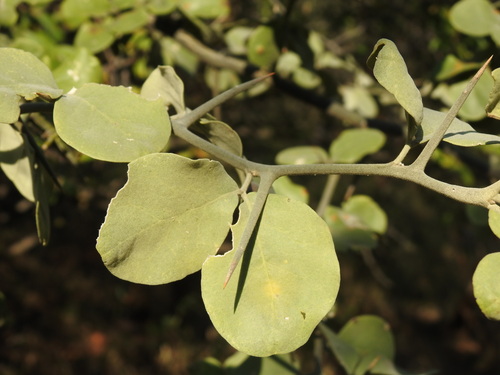
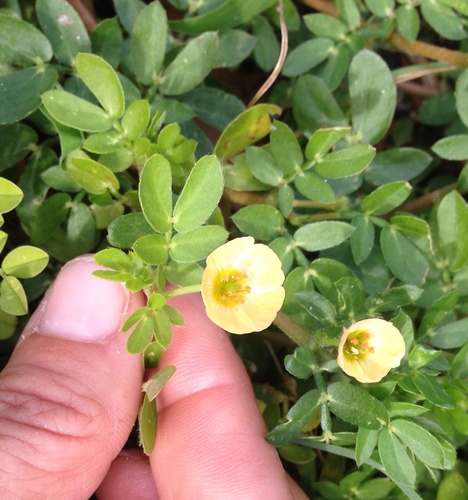
A herb. It grows each year from seed. The stems can lie along the ground. They are 1 m long. The leaves are oval and 1-6 cm long by 2-5 cm wide. There are 6-8 leaflets. They are 5-29 mm long by 3-14 mm wide.
Names & Synonyms
Verdolaga
Kallstroemia canescens Rydb,Tribulus maximus L.Tribulus trijugatus Nutt.Tribulus tuberculatus Sesse & Moc.and possibly others
References (1)
- Kermath, B. M., et al, 2014, Food Plants in the Americas: A survey of the domesticated, cultivated and wild plants used for Human food in North, Central and South America and the Caribbean. On line draft. p 463