Micropholis acutangula
(Ducke) Eyma
SapotaceaeFruit

iNaturalist · cc-by-nc
(c) Nils Servientis - Bivouac Naturaliste, some rights reserved (CC BY-NC), uploaded by Nils Servientis - Bivouac Naturaliste
(c) Nils Servientis - Bivouac Naturaliste, some rights reserved (CC BY-NC), uploaded by Nils Servientis - Bivouac Naturaliste

iNaturalist · cc-by-nc
(c) Nils Servientis - Bivouac Naturaliste, some rights reserved (CC BY-NC)
(c) Nils Servientis - Bivouac Naturaliste, some rights reserved (CC BY-NC)
What to Eat
Edible parts: Fruit
The fruit is edible.
Where to Find It
It is a tropical plant.
Amazon, Brazil, Ecuador, French Guiana, South America,
How to Identify
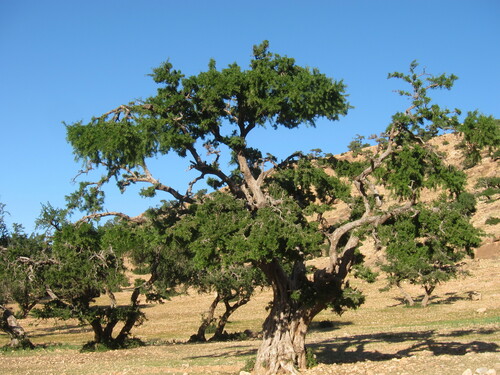
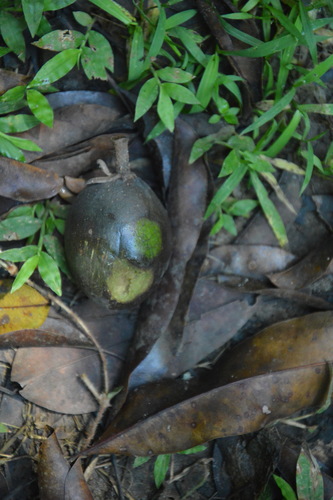
A tree. It grows 25 m tall. The trunk is 40 cm across. The fruit are elongated and ribbed. They are 3-4 cm long by 1-2 cm wide. The are yellow-orange when ripe.
Names & Synonyms
Abiu-carambola
Micropholis paraensis EymaParalabatia acutangula (Ducke) BaehniParamicropholis acutangula (Ducke) Aubrev. & Pellegr.Pouteria acutangula (Ducke) BaehniSideroxylon acutangulum Ducke
References (5)
- Cavalcante, P.B. 1991. Frutas comestíveis da Amazônia. Edições CEJUP.
- e-jardim.com
- Kermath, B. M., et al, 2014, Food Plants in the Americas: A survey of the domesticated, cultivated and wild plants used for Human food in North, Central and South America and the Caribbean. On line draft. p 538
- Paz, F. S., et al, 2021, Edible Fruit Plant Species in the Amazon Forest Rely Mostly on Bees and Beetles as Pollinators. Journal of Economic Entomology, XX(XX), 2021, 1–13
- Van Roosmalen, M.G.M., & Garcia, O. M., 2000, Fruits of the Amazonian Forest. Part 2: Sapotaceae. Acta Amazonica 30(2): 187-290