Pouteria plicata
T. D. Penn.
Plicate pouteria
SapotaceaeFruit

gbif · cc-by-nc
C. Dennis : Field Museum of Natural History - Botany Department
C. Dennis : Field Museum of Natural History - Botany Department

gbif · cc-by-nc
Rapid Reference Collection (RRC) | Field Museum of Natural History - Keller Science Action Center
Rapid Reference Collection (RRC) | Field Museum of Natural History - Keller Science Action Center

gbif · cc-by-nc
Field Museum of Natural History - Botany Department | GDI 2013-2015
Field Museum of Natural History - Botany Department | GDI 2013-2015
What to Eat
Edible parts: Fruit
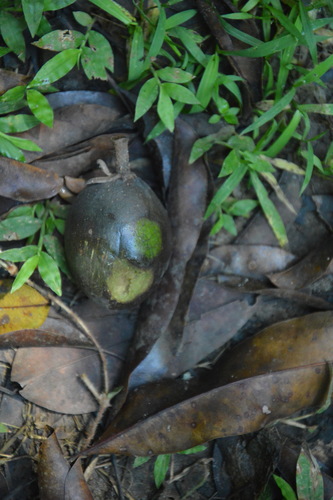
The fruit is eaten.
Where to Find It
It is a tropical plant. It grows in flooded forest up to 300 m above sea level.
Amazon, Bolivia, Brazil, Colombia, Ecuador, Peru, South America, Venezuela,
How to Identify
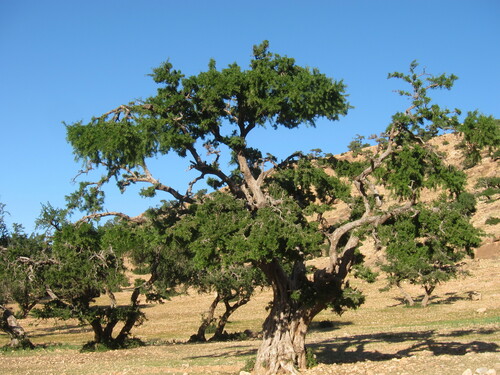
A tree. It grows 30 m tall. The trunk is 40 cm across. The bark is reddish-brown. The leaves are in loose clusters and arranged in spirals. The flowers are in groups or 5-10. The fruit are an irregular round shape and 2-4 cm across.
Names & Synonyms
Abiurana-do-igapo, Abiurana-de-varzea, Caimitillo, Juturuba, Lucumillo, Perguillo, Purguillo
References (5)
- Grandtner, M. M. & Chevrette, J., 2013, Dictionary of Trees, Volume 2: South America: Nomenclature, Taxonomy and Ecology. Academic Press p 528
- Kermath, B. M., et al, 2014, Food Plants in the Americas: A survey of the domesticated, cultivated and wild plants used for Human food in North, Central and South America and the Caribbean. On line draft. p 695
- Roa, J. A. G. & Boada, D. S. G., 2018, Fundación para el Fortalecimiento de la Fruticultura y Plantas Alimenticias no Convencionales en Colombia.
- Van Roosmalen, M.G.M., & Garcia, O. M., 2000, Fruits of the Amazonian Forest. Part 2: Sapotaceae. Acta Amazonica 30(2): 187-290
- Vasquez, R. and Gentry, A. H., 1989, Use and Misuse of Forest-harvested Fruits in the Iquitos Area. Conservation Biology 3(4): 350f