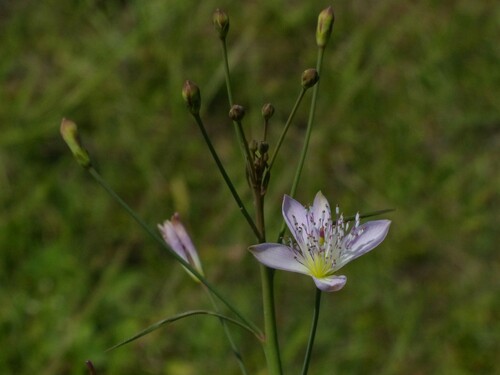
Cleome ornithopodioides
L.
Bird Spider-flower
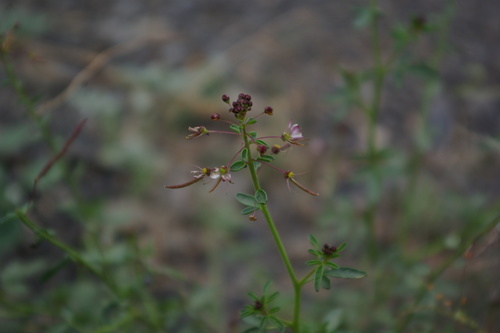
(c) ramazan_murtazaliev, some rights reserved (CC BY-NC), uploaded by ramazan_murtazaliev
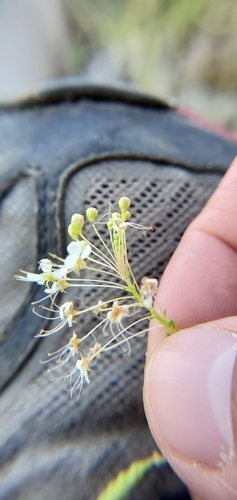
(c) Gage Barnes, some rights reserved (CC BY-NC)
What to Eat
Edible parts: Seeds
The seed is used as a mustard substitute.
Where to Find It
It is a temperate plant.
Asia, Europe,
How to Identify
A small annual herb growing to 0.3 m tall. Hermaphroditic flowers. Tolerates light sandy and medium loamy well-drained soils in mildly acidic, neutral, and alkaline conditions. Requires full sun and adapts to dry or moist soil.
How to Grow
We have very little information on this species but it should succeed as a spring-sown annual in Britain. The following notes are based on the general needs of the genus. Prefers a light fertile soil in a warm dry sunny position with plenty of room to spread.
Propagation: Surface sow or only lightly cover seed in spring in a greenhouse. Germination usually takes 5–14 days at 25°c. Prick seedlings into individual pots when large enough to handle and plant out in late spring. Daytime temperatures below 20°c depress germination, though a night-time drop to 20°c is necessary.
Medicinal Uses
No medicinal uses are known for this plant.
Other Uses
No other uses are known for this plant.
Wikipedia
Source ↗Cleome ornithopodioides or bird spiderflower is the type species of the genus Cleome which is part of the family Cleomaceae or Brassicaceae. The species epithet means "birds-foot like" (ornithopodi + oides).
Notes
There are about 150 Cleome species.
Names & Synonyms
References (2)
- Plants for a Future database, The Field, Penpol, Lostwithiel, Cornwall, PL22 0NG, UK. http://www.scs.leeds.ac.uk/pfaf/
- Sp. pl. 2:672. 1753