Cocculus pendulus
(J. R. & G. Forst.) Diels
(c) Radha Veach, some rights reserved (CC BY-NC), uploaded by Radha Veach
(c) Altaf Habib, some rights reserved (CC BY-NC), uploaded by Altaf Habib
(c) Ron Frumkin, some rights reserved (CC BY-NC), uploaded by Ron Frumkin
What to Eat
Edible parts: Fruit, Flowers, Vegetable
The leaves are eaten as a vegetable, and the flowers are also eaten as a vegetable. The ripe fruit are eaten, and the juice of the plant is used to produce a fermented drink.
Known Hazards
Where to Find It
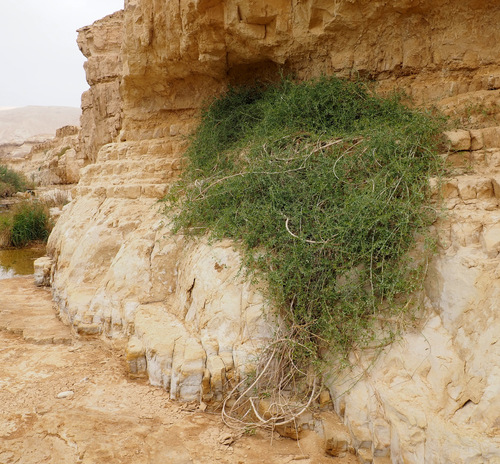
A tropical plant. It grows in desert regions. It can be in shade. It grows in the drier regions of West Africa. It grows between 350-1,500 m above sea level. It can grow in arid places.
Afghanistan, Africa, Algeria, Angola, Arabia, Asia, Cape Verde, Central Africa, Chad, East Africa, Egypt, Eritrea, Ethiopia, India, Iran, Israel, Kenya, Mali, Mauritania, Mediterranean, Middle East, Morocco, Niger, Nigeria, North Africa, Pakistan, Qatar, Sahel, Saudi Arabia, Senegal, Socotra, Somalia, Sudan, United Arab Emirates, UAE, West Africa, Yemen,
How to Identify
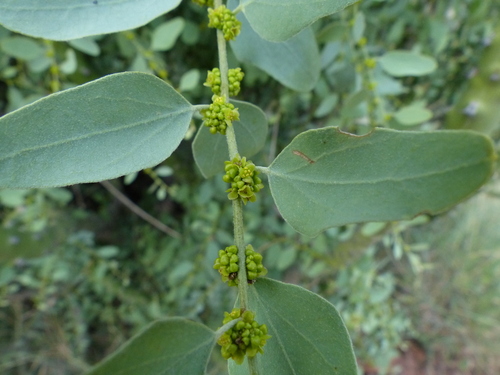
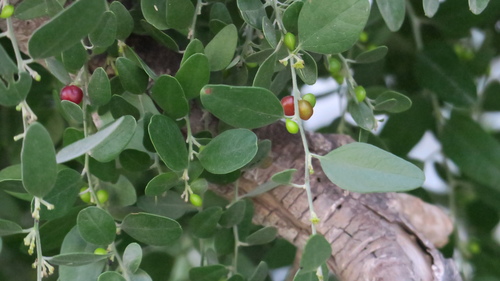
A climbing plant or shrub that lies along the ground. It can climb 15 m high. The stem can be 15 cm across at the base. The bark is dark grey and striped. The leaves are simple and arranged in spirals. The leaf blade is 2-5 cm long by 1-2 cm wide. The flowers are small and of separate sexes. They are pale yellow. The fruit is made up of 3 flattened fleshy fruit with stones containing seeds. Each section is 4-7 mm long by 4-5 mm wide. They are dark red.
How to Grow
A plant of the drier tropics and subtropics. Plants can grow in a variety of habitats.
Medicinal Uses
Various parts of the plant, but especially the root, are used in traditional medicine throughout the range of this plant, The treatment of fevers, including intermittent fever, is the most common use, but a range of other conditions are also treated. Little investigation has been made of the chemical components of the root, though the stems and leaves are known to contain a great variety of alkaloids. Of the alkaloids, cocsulinin has been shown to have anticancer properties, whilst kurramine derivatives have shown anticholesterinase activity in vitro. The alkaloids cocsoline, penduline, tetradine and isotrilobine have all shown high antiplasmodial activity in vitro. In a comparison of 20 plant species from India, however, this species was not selected as one of the promising species with antimalarial properties for further research. High alkaloid-producing cell lines have been established, which produce actineoplastic agents299] The main conditions treated by this herb are fevers and intermittent fevers. The root is the plant part most commonly employed, but the leaves and stem bark are also used. A decoction of the roots, together with those of Tinospora bakis, is used to prepare a stimulating tonic. Stem bark and root bark decoctions are used against intestinal parasites and gonorrhoea. The root has a great reputation in Senegal against biliousness and menstrual problems and as a diuretic. It is also part of medicines against jaundice, yellow fever, leprosy, syphilis, and of an aphrodisiac. An infusion of the plant is used to assist in removing thorns from the feet. In Kenya a wood infusion is taken as an emetic.
Notes
There are about 8-11 Cocculus species. The leaves contain several alkaloids and are used in medicine.
Names & Synonyms
Alenda, Dusaratige, Illarbillar, Marmar, Parwatti, Peelwan, Ullarbillar
References (13)
- Ambasta, S.P. (Ed.), 2000, The Useful Plants of India. CSIR India. p 134
- Burkill, H. M., 1985, The useful plants of west tropical Africa, Vol. 4. Kew.
- Dalziel, J. M., 1937, The Useful plants of west tropical Africa. Crown Agents for the Colonies London.
- Grivetti, L. E., 1980, Agricultural development: present and potential role of edible wild plants. Part 2: Sub-Saharan Africa, Report to the Department of State Agency for International Development. p 26
- Grubben, G. J. H. and Denton, O. A. (eds), 2004, Plant Resources of Tropical Africa 2. Vegetables. PROTA, Wageningen, Netherlands. p 560
- Hedrick, U.P., 1919, (Ed.), Sturtevant's edible plants of the world. p 206 (As Cocculus cebatha)
- Le Houerou, H. N., (Ed.), 1980, Browse in Africa. The current state of knowledge. International Livestock Centre for Africa, Ethiopia. p 163
- Norton, J., et al, 2009, An Illustrated Checklist of the Flora of Qatar. UNESCO Office in Doha.
- Oudhia, P., 2008. Cocculus pendulus (J.R.Forst. & G.Forst.) Diels. [Internet] Record from Protabase. Schmelzer, G.H. & Gurib-Fakim, A. (Editors). PROTA (Plant Resources of Tropical Africa), Wageningen, Netherlands. < http://database.prota.org/search.htm>. Accessed 15 October 2009.
- Peters, C. R., O'Brien, E. M., and Drummond, R.B., 1992, Edible Wild plants of Sub-saharan Africa. Kew. p 147
- Royal Botanic Gardens, Kew (1999). Survey of Economic Plants for Arid and Semi-Arid Lands (SEPASAL) database. Published on the Internet; http://www.rbgkew.org.uk/ceb/sepasal/internet [Accessed 4th May 2011]
- SAXENA,
- World Checklist of Useful Plant Species 2020. Royal Botanic Gardens, Kew


