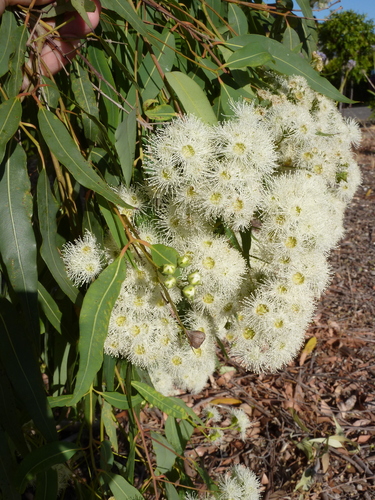
Eugenia repanda
O. Berg
Pitanga-jambo

(c) Maximiliano Leo, some rights reserved (CC BY-NC), uploaded by Maximiliano Leo

(c) Guillermo Menéndez, some rights reserved (CC BY-NC)

(c) Maximiliano Leo, some rights reserved (CC BY-NC), uploaded by Maximiliano Leo
What to Eat
Edible parts: Fruit
Fruit - raw. A sweetish, fleshy pulp. The yellow-red, subglobose fruit can be up to 10mm in diameter.
Where to Find It
It is a tropical plant.
Bolivia, Brazil, South America,
How to Identify
A tropical shrub in the Myrtaceae family, growing 2-5 m tall.
How to Grow
Succeeds the dappled shade of woodland, but also tolerant of full sun. Prefers a deep, moist soil. A slow-growing plant even when young.
Propagation: Seed - best sown as soon as it is ripe in a partially shaded position in a nursery seedbed. A germination rate in excess of 80% can be expected, with the seed sprouting within 40 - 60 days.
Other Uses
The wood is fine-textured, irregular-grained, moderately heavy, hard, with a good resistance to wood-eating organisms. It is generally too small to be used other than as fuel and to make charcoal.
Names & Synonyms
References (2)
- Bortolotto, I. M., et al, 2018, Lista preliminar das plantas alimenticias nativas de Mato Grosso do Sul, Brasil. Iheringia, Serie Botanica, Porto Alegre, 73 (supl.):101-116
- www.colecionandofrutas.org