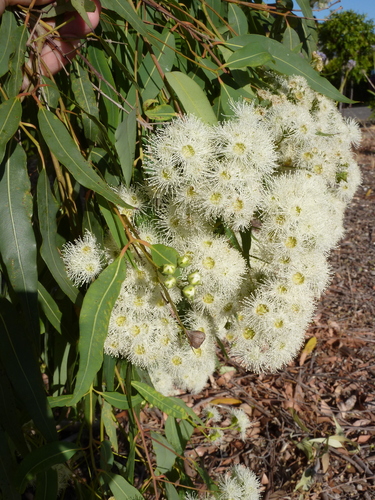
Eugenia subterminalis
DC.
Cambui-pitanga
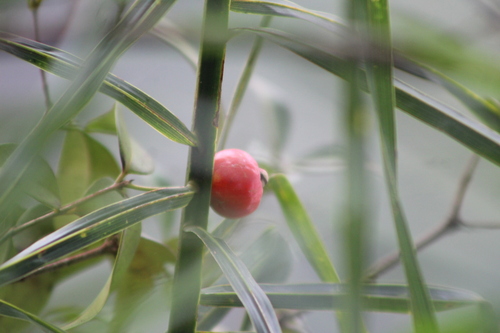
(c) demianlescano, some rights reserved (CC BY-NC), uploaded by demianlescano
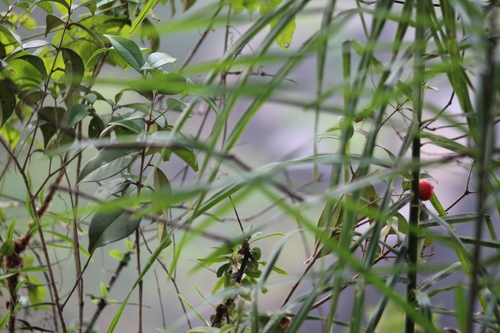
(c) demianlescano, some rights reserved (CC BY-NC), uploaded by demianlescano

(c) Joaquín Movia, some rights reserved (CC BY-NC)
What to Eat
Edible parts: Fruit
Fruit. The red, globose fruit is around 8mm in diameter.
Where to Find It
It is a tropical plant.
Amazon, Argentina, Bolivia, Brazil, Colombia, Ecuador, Paraguay, Peru, South America,
How to Identify
A tropical shrub in the myrtle family, growing 2-4 m tall, with edible fruit.
Other Uses
The bark is chewed in order to blacken the teeth. This is probably due to the presence of tannins in the bark.
Wikipedia
Source ↗Eugenia subterminalis, commonly known as cambuí pitanga, cereja do mato verdadeira, pitanga lisa de sombra, pitanga preta, and cambuízão vermelho do rio Paranapanema, is a species of plant in the family Myrtaceae. It is endemic to araucária forest in Bolivia, northern Brazil, Colombia, Ecuador, and Peru. The plant is a semi-deciduous shrub that grows to between 2 and 4 metres tall, and produces egg shaped fruit between 15 and 25mm tall, and 18 to 20mm wide.
Names & Synonyms
Saka, Ubaia-rasteira, Yan muyu mulchi, Yutsu
References (6)
- Bortolotto, I. M., et al, 2018, Lista preliminar das plantas alimenticias nativas de Mato Grosso do Sul, Brasil. Iheringia, Serie Botanica, Porto Alegre, 73 (supl.):101-116
- Grandtner, M. M. & Chevrette, J., 2013, Dictionary of Trees, Volume 2: South America: Nomenclature, Taxonomy and Ecology. Academic Press p 243
- Kew Plants of the World Online
- Roa, J. A. G. & Boada, D. S. G., 2018, Fundación para el Fortalecimiento de la Fruticultura y Plantas Alimenticias no Convencionales en Colombia.
- Torre, de la, L., et al, 2008, Enciclopedia de las Plantas Útiles del Ecuador. Herbario QCA. Pontificia Universidad Católica del Ecuador. p 467
- www.colecionandofrutas.org