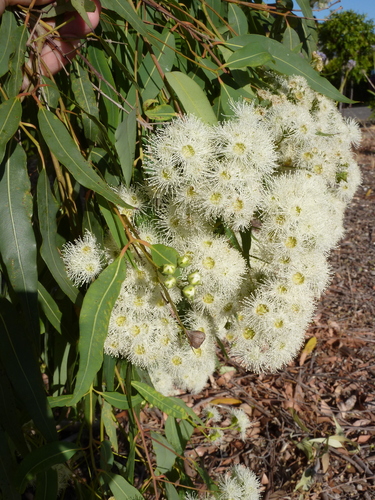
Psidium oligospermum
Mart. ex DC.
Araca-ayta

(c) Frederico Acaz Sonntag, some rights reserved (CC BY-NC), uploaded by Frederico Acaz Sonntag

(c) Frederico Acaz Sonntag, some rights reserved (CC BY-NC), uploaded by Frederico Acaz Sonntag
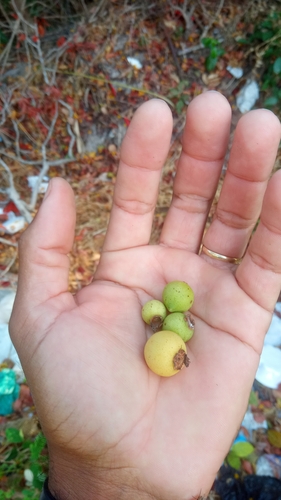
(c) paulossilva, some rights reserved (CC BY-NC), uploaded by paulossilva
What to Eat
Edible parts: Fruit
The berries of Psidium oligospermum are edible, reportedly with a slight taste of turpentine, and geese are reported to frequently consume the berries. The wood of the tree is used locally in the Galápagos Islands as fencing or a building material, but is not very hardy nor enduring.
Where to Find It
It is a tropical plant.
Belize, Bolivia, Brazil, Central America, Colombia, Costa Rica, Cuba, Ecuador, El Salvador, French Guiana, Galapagos, Guatemala, Guyana, Honduras, Mexico, Nicaragua, Panama, Peru, South America, Suriname, Venezuela, Winward Is.,
How to Identify
A shrub or small tree. It grows 2-4 m tall.
Wikipedia
Source ↗Psidium oligospermum, the Galápagos guava or guayabillo, is a small tree or shrub native to the tropical Americas, ranging from Mexico through the Revillagigedo Islands, Central America, Cuba, Puerto Rico, the Windward Islands, the Galápagos Islands, and South America to central Brazil and northwestern Argentina.
Names & Synonyms
References (3)
- Kew Plants of the World Online
- World Checklist of Useful Plant Species 2020. Royal Botanic Gardens, Kew
- www.colecionandofrutas.org