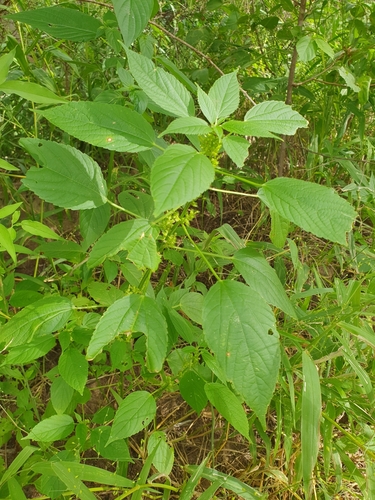
Paracroton pendulus
(Hassk.) Miq.
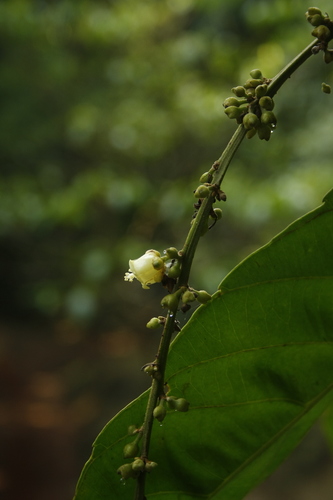
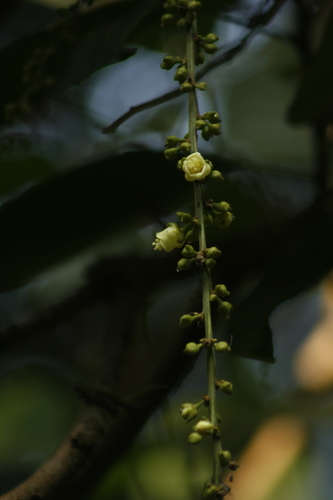
EuphorbiaceaeFruit
iNaturalist · cc-by
(c) Siddarth Machado, some rights reserved (CC BY), uploaded by Siddarth Machado
(c) Siddarth Machado, some rights reserved (CC BY), uploaded by Siddarth Machado
iNaturalist · cc-by
(c) Siddarth Machado, some rights reserved (CC BY), uploaded by Siddarth Machado
(c) Siddarth Machado, some rights reserved (CC BY), uploaded by Siddarth Machado
iNaturalist · cc-by
(c) Siddarth Machado, some rights reserved (CC BY), uploaded by Siddarth Machado
(c) Siddarth Machado, some rights reserved (CC BY), uploaded by Siddarth Machado
What to Eat
Edible parts: Fruit
The fruit is eaten.
Where to Find It
It is a tropical plant.
Asia, Malaysia, SE Asia,
Countries: United Arab Emirates, Afghanistan, Armenia, Azerbaijan, Bangladesh, Bahrain, Brunei, Bhutan, China, Georgia, Indonesia, Israel, India, Iraq, Iran, Jordan, Japan, Kyrgyzstan, Cambodia, North Korea, South Korea, Kuwait, Kazakhstan, Laos, Lebanon, Sri Lanka, Myanmar, Mongolia, Maldives, Malaysia, Nepal, Oman, Philippines, Pakistan, Qatar, Saudi Arabia, Singapore, Syria, Thailand, Tajikistan, Timor-Leste, Turkmenistan, Turkey, Taiwan, Uzbekistan, Vietnam, Yemen
How to Identify
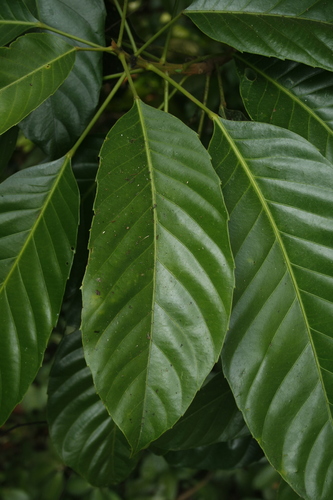
A tropical shrub in the Euphorbiaceae family.
Wikipedia
Source ↗Paracroton pendulus is a species of flowering plant in the family Euphorbiaceae. It is a tree native to the Western Ghats of southwestern India, Sri Lanka, southern Myanmar, Peninsular Thailand, Peninsular Malaysia and Singapore, Sumatra, Borneo, and the Philippines. It is a canopy or subcanopy tree in tropical moist evergreen forests from 150 to 1800 meters elevation.
Names & Synonyms
Kop, Merenti
Croton pendulus Hassk.Fahrenheitia pendula (Hassk.) Airy Shawand others
References (1)
- Milow, P., et al, 2013, Malaysian species of plants with edible fruits or seeds and their evaluation. International Journal of Fruit Science. 14:1, 1-27 (As Fahrenheitia pendula)