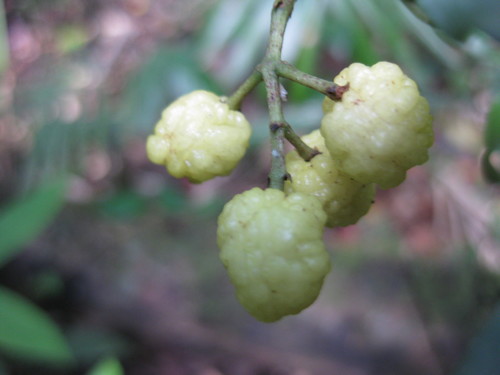
Harrisonia perforata
(Blanco) Merr.

(c) Amy, some rights reserved (CC BY-NC), uploaded by Amy

(c) Eugene Popov, some rights reserved (CC BY), uploaded by Eugene Popov
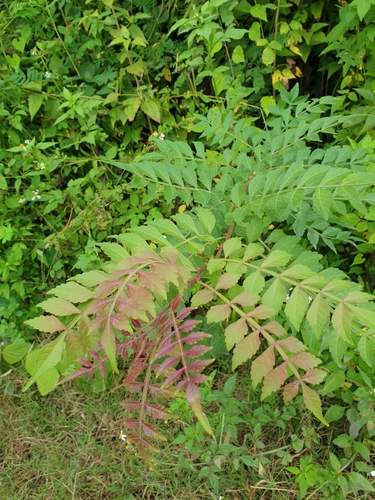
(c) LannaMountainsCharlie, some rights reserved (CC BY-NC-SA), uploaded by LannaMountainsCharlie
What to Eat
Edible parts: Fruit ?
The fruit may be edible, though this is uncertain.
Where to Find It
It is a tropical plant.
Asia, Cambodia, Indochina, SE Asia,
How to Identify
A tropical vine in the Rutaceae family, also sometimes classified in Simaroubaceae.
Medicinal Uses
The young shoots are considered a remedy against diarrhoea. The ashes of the roasted leaves mixed with oil, or simply the crushed leaves, are applied to the skin to relieve itch. A decoction of the root bark is recommended in the treatment of diarrhoea and dysentery as well as against cholera. A very efficacious remedy against diarrhoea and dysentery. The dried root is considered antipyretic and anti-inflammatory, it is used in wound healing and in the treatment of diarrhoea. The stems are employed in the treatment of diarrhoea.
Wikipedia
Source ↗Harrisonia perforata is a species of liana in the family Rutaceae. Its recorded distribution includes: Andaman Islands, Nicobar Islands, Bangladesh, Myanmar, Indo-China, Java and Lesser Sunda Islands, but no subspecies are listed in the Catalogue of Life.
Notes
Also put in the family Simaroubaceae.
Names & Synonyms
Klentea
References (1)
- Turreira Garcia, N., et al, 2017, Ethnobotanical knowledgeof the Kuy and Khmer people in Prey Lang, Cambodia. Cambodian Journal of Natural History 2017 (1): 76-101