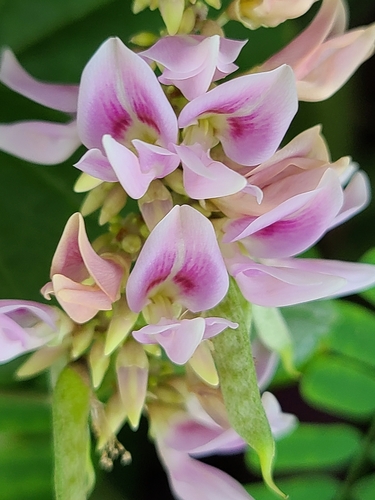
Vachellia schaffneri
(S. Watson) Seigler & Ebinger
Twisted acacia, Schaffner's acacia

(c) Roberto, some rights reserved (CC BY-NC), uploaded by Roberto
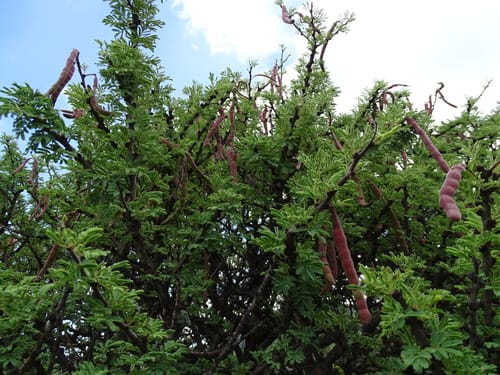
(c) JKantunB, some rights reserved (CC BY-NC)

(c) nnda_ruiz, some rights reserved (CC BY-NC)
What to Eat
Edible parts: Seeds
Vachellia schaffneri wood is used for fuel and fences. The wood makes very good firewood. It is used for cooking. Vachellia schaffneri trees serve as food for animals. Goats and sheep browse leaves from the tree and eat the fuzzy beans when available late in the summer. Livestock use the trees for shade and shelter.
Where to Find It
It is a subtropical plant. It grows in arid places.
Mexico*, North America, USA,
How to Identify
A shrub or small tree. There are prickles along the stem. It grows 7-8 m tall. The branches are gnarled and twisted. The leaves are finely divided. The leaves are twice divided and there are 8-18 pairs of pinnae. There are up to 50 pairs of pinnules on each pinnae. The flowers are round and yellow. They are in large clusters at the ends of branches. The pods are flattened.
How to Grow
Plants are grown by seeds.
Wikipedia
Source ↗Vachellia schaffneri, the twisted acacia or Schaffner's acacia, is a tree native to Mexico and the southwestern United States (Texas).
Names & Synonyms
References (3)
- FAO, 2012, Forest Genetic Resources Situation in Mexico. Final Report of Project TCP/ 3301 p 286 (As Acacia schaffneri)
- Forest Genetic Resources Situation in Mexico, FAO 2012 Annex 15 p 286
- aridzonetrees.com