Monotes kerstingii
Gilg.

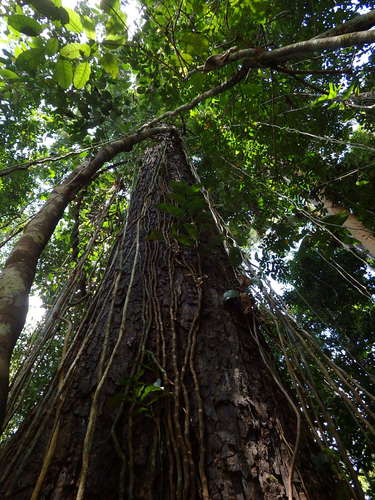
(c) Georg Zizka, some rights reserved (CC BY-NC-SA)

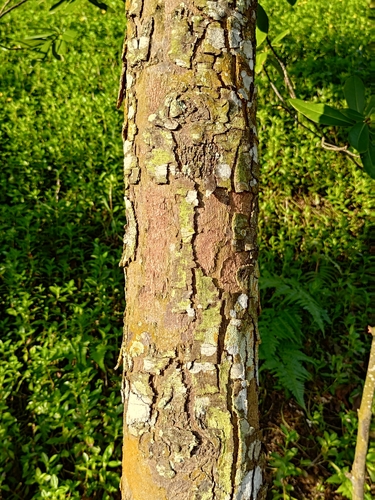
(c) Marco Schmidt, some rights reserved (CC BY-NC-SA)

(c) Marco Schmidt, some rights reserved (CC BY-NC-SA)
What to Eat
Edible parts: Fruit, ?
Where to Find It
It is a tropical plant. It grows in the savanna.
Central Africa, Central African Republic, Mali, Senegal, South Sudan, Uganda, West Africa,
How to Identify
A shrub or small tree. It grows 3-6 m tall. The trunk can be 60-90 cm across. The crown is rounded and open.
How to Grow
Often found in the wild on reddish, well-drained soils. The plant can recover after a bush fire. Monotes kerstingii is associated with ectomycorrhizae and arbuscular mycorrhizae.
Medicinal Uses
Decoctions of the bark and leafy twigs are taken to treat dysentery and diarrhoea A decoction of leafy twigs is used to treat jaundice. Leaf and root decoctions are applied to abscesses and fractures.
Other Uses
The wood of Monotes species is generally of poor shape and too small to be of much use apart from locally, where it is valued for its hardness and generally good durability The heartwood is brown to dark brown and distinctly demarcated from the pinkish brown sapwood. The grain is usually straight, texture fine. The wood is heavy, with a density of about 1050 kg/m³ at 12% moisture content, hard, and difficult to work. The wood is little valued, but is used for poles. The wood is used for fuel and for charcoal production.
Names & Synonyms
References (1)
- Heubach, K., 2011, The socio-economic importance of non-timber forest products for rural livelihoods in West African savanna ecosystems: current status and future trends. PhD dissertation. Johann Wolfgang Goethe-Universitat. Frankfurt