Monotes africanus
A. DC.

(c) Marco Schmidt, some rights reserved (CC BY-NC-SA), uploaded by Marco Schmidt

(c) Marco Schmidt, some rights reserved (CC BY-NC-SA), uploaded by Marco Schmidt

(c) Marco Schmidt, some rights reserved (CC BY-NC-SA), uploaded by Marco Schmidt
What to Eat
Edible parts: ?, Medicine
Where to Find It
It is a tropical plant.
Africa, Angola, Congo DR, Malawi, Mozambique, Tanzania, Zambia,
How to Identify
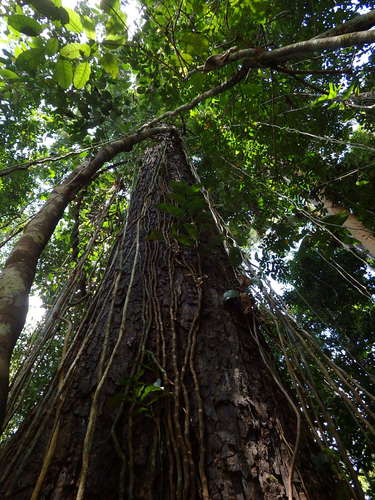
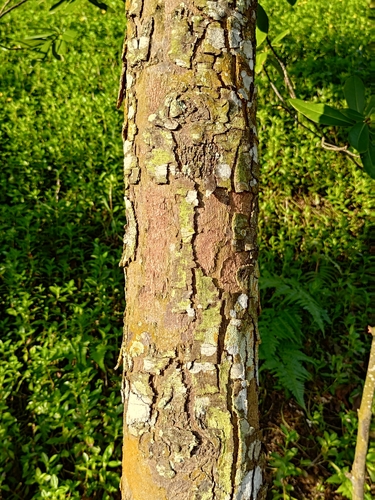
A shrub or small tree. It grows 8 m tall. The leaves are 5-10 cm long by 2.5-5.5 cm wide. The flowering shoots are 1.5-3 cm long and in the axils of leaves. The fruit are 1-1.5 cm across. They have wings.
How to Grow
Found in the wild on all kinds of soils, sometimes dominant and forming pure stands on compact heavy soils.
Medicinal Uses
Used medicinally in traditional practice.
Other Uses
The wood of Monotes species is generally of poor shape and too small to be of much use apart from locally, where it is valued for its hardness and generally good durability The wood is used for poles and tool handles. The wood is used for fuel.
Notes
Possibly food for an edible insect.
Names & Synonyms
References (2)
- Meragelman K, McKee T, Boyd M (2001). Anti-HIV prenylated flavonoids from Monotes africanus. J. Nat. Prod. 64:546-548.
- World Checklist of Useful Plant Species 2020. Royal Botanic Gardens, Kew