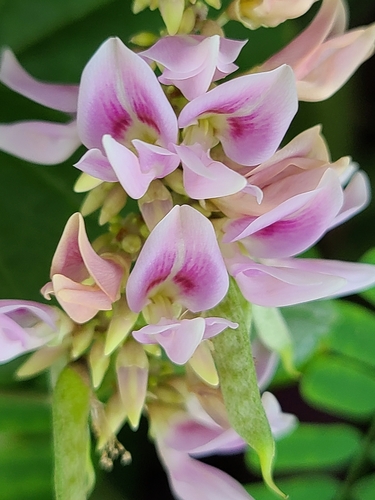
Libidibia glabrata
(Kunth) C. Cast. & G. P. Lewis
FabaceaeFruit
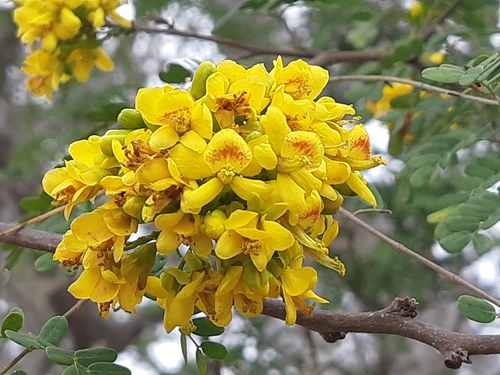
iNaturalist · cc-by
(c) Daniel Velasco C., some rights reserved (CC BY), uploaded by Daniel Velasco C.
(c) Daniel Velasco C., some rights reserved (CC BY), uploaded by Daniel Velasco C.
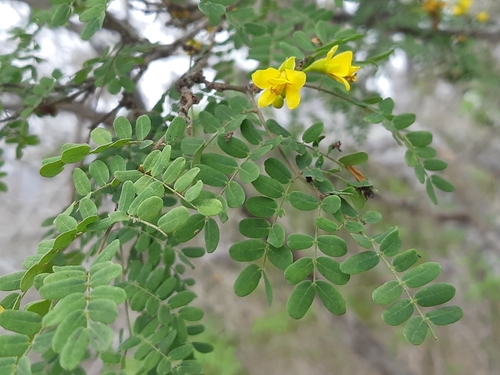
iNaturalist · cc-by
(c) Daniel Velasco C., some rights reserved (CC BY), uploaded by Daniel Velasco C.
(c) Daniel Velasco C., some rights reserved (CC BY), uploaded by Daniel Velasco C.
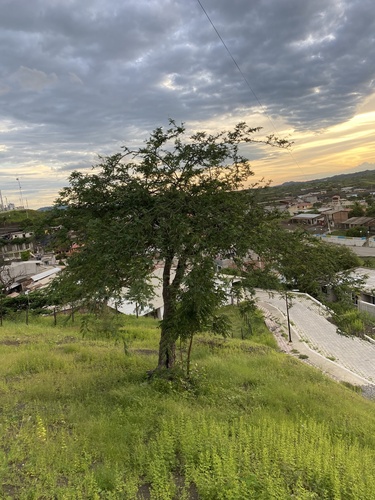
iNaturalist · cc-by-nc
(c) camila_paladines, some rights reserved (CC BY-NC)
(c) camila_paladines, some rights reserved (CC BY-NC)
What to Eat
Edible parts: Fruit
Where to Find It
It is a tropical plant.
Bolivia, Colombia, Ecuador, Peru, South America, Venezuela,
How to Identify
A tropical tree in the Fabaceae family with edible fruit.
How to Grow
A plant of the lowland tropics.
Other Uses
The seeds pods are rich in tannins. They are used as the source of a black dye and a good ink.
Names & Synonyms
Cascol, Pay-pay
Caesalpinia corymbosa Benth.Caesalpinia glabrata KunthCaesalpinia paipai Ruiz. & Pav.Libidibia corymbosa (Benth.) Britton & Killip
References (2)
- Grandtner, M. M. & Chevrette, J., 2013, Dictionary of Trees, Volume 2: South America: Nomenclature, Taxonomy and Ecology. Academic Press p 88 (As Caesalpinia glabrata)
- Roa, J. A. G. & Boada, D. S. G., 2018, Fundación para el Fortalecimiento de la Fruticultura y Plantas Alimenticias no Convencionales en Colombia.