Pouteria lucumifolia
(Reissek ex Maxim.) T. D. Penn.
Lucumaleaf pouteria
SapotaceaeFruit

gbif · cc-by-nc
N. C. A. Pitman : Field Museum of Natural History - Action Center
N. C. A. Pitman : Field Museum of Natural History - Action Center

gbif · cc-by-nc
Rapid Reference Collection (RRC) | Field Museum of Natural History - Keller Science Action Center
Rapid Reference Collection (RRC) | Field Museum of Natural History - Keller Science Action Center
What to Eat
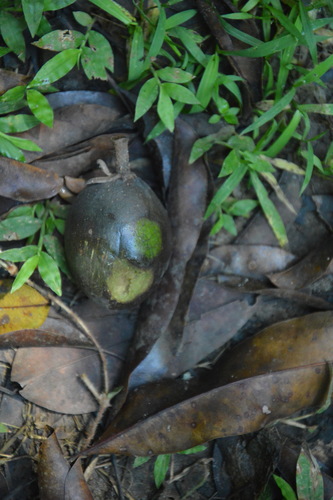
Edible parts: Fruit
The fruit is eaten.
Where to Find It
It is a tropical plant. It grows in wet zones. It can grow in occasionally flooded forests up to 200 m above sea level.
Amazon, Bolivia, Brazil, Colombia, Ecuador, Peru, South America*, Venezuela,
How to Identify
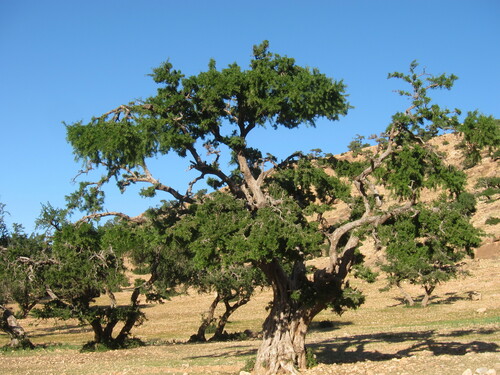
A tree. It grows 30 m tall and the trunks are 50 cm across. The leaves are alternate and in spirals. The flowers are in groups of 2-10. Ripe fruit are yellow to orange. They have 1 seed.
Other Information
It is cultivated.
Names & Synonyms
Caimitillo, Lukma, Luma, Majagua hoja fina, Quinilla, Quinilla blamca, Yuquito
Ilex lucumifolia Reissek ex Maxim.Paralabatia casiquierensis Aubrev.Pseudocladia casiquiarensis Aubrev.Pseudocladia orinocoensis Aubrev.
References (4)
- Grandtner, M. M. & Chevrette, J., 2013, Dictionary of Trees, Volume 2: South America: Nomenclature, Taxonomy and Ecology. Academic Press p 527
- Roa, J. A. G. & Boada, D. S. G., 2018, Fundación para el Fortalecimiento de la Fruticultura y Plantas Alimenticias no Convencionales en Colombia.
- Torre, de la, L., et al, 2008, Enciclopedia de las Plantas Útiles del Ecuador. Herbario QCA. Pontificia Universidad Católica del Ecuador. p 572
- Van Roosmalen, M.G.M., & Garcia, O. M., 2000, Fruits of the Amazonian Forest. Part 2: Sapotaceae. Acta Amazonica 30(2): 187-290