Begonia floccifera
Bedd.
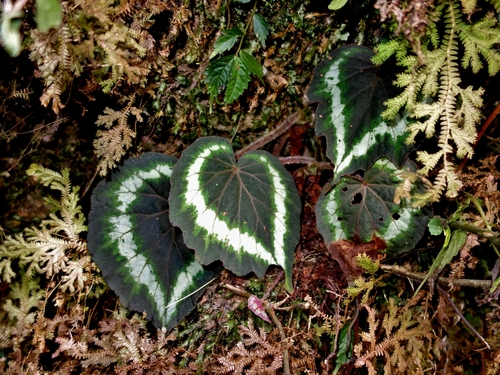
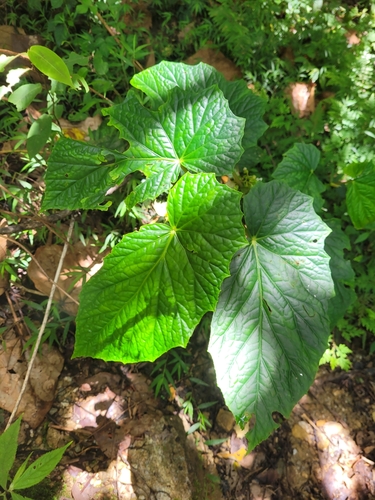
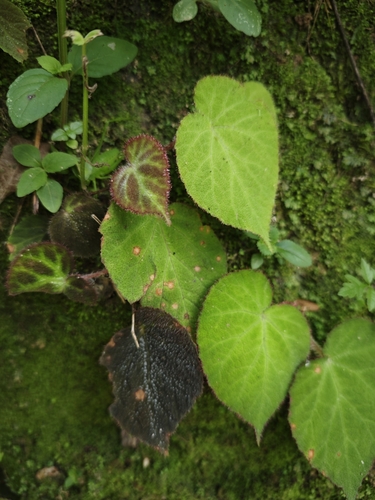
BegoniaceaeLeaves

iNaturalist · cc-by
(c) Siddarth Machado, some rights reserved (CC BY), uploaded by Siddarth Machado
(c) Siddarth Machado, some rights reserved (CC BY), uploaded by Siddarth Machado
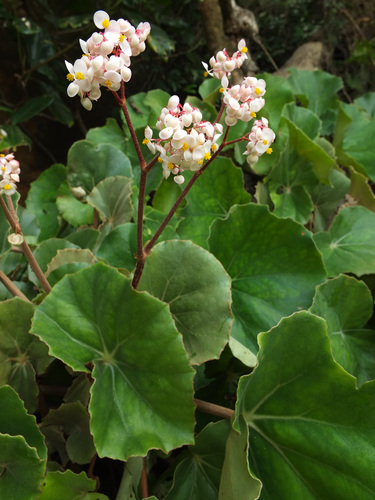
iNaturalist · cc-by
(c) Siddarth Machado, some rights reserved (CC BY), uploaded by Siddarth Machado
(c) Siddarth Machado, some rights reserved (CC BY), uploaded by Siddarth Machado
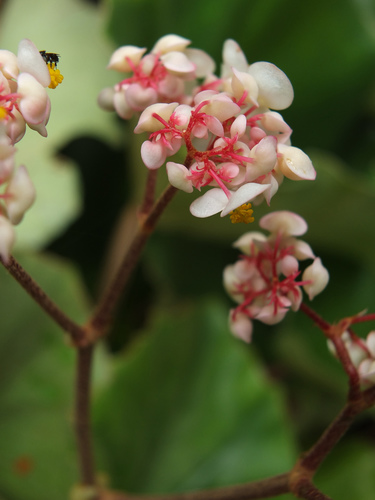
iNaturalist · cc-by
(c) Siddarth Machado, some rights reserved (CC BY), uploaded by Siddarth Machado
(c) Siddarth Machado, some rights reserved (CC BY), uploaded by Siddarth Machado
What to Eat
Edible parts: Leaves
The leaves are eaten as a vegetable.
Where to Find It
It is a tropical plant.
Asia, India,
Countries: United Arab Emirates, Afghanistan, Armenia, Azerbaijan, Bangladesh, Bahrain, Brunei, Bhutan, China, Georgia, Indonesia, Israel, India, Iraq, Iran, Jordan, Japan, Kyrgyzstan, Cambodia, North Korea, South Korea, Kuwait, Kazakhstan, Laos, Lebanon, Sri Lanka, Myanmar, Mongolia, Maldives, Malaysia, Nepal, Oman, Philippines, Pakistan, Qatar, Saudi Arabia, Singapore, Syria, Thailand, Tajikistan, Timor-Leste, Turkmenistan, Turkey, Taiwan, Uzbekistan, Vietnam, Yemen
How to Identify
A tropical shrub in the Begoniaceae family, begonia floccifera grows in warm climates and is valued for its edible leaves.
Names & Synonyms
Malampuli
References (1)
- Narayanan Ratheesh, M. K. et al, 2011, Wild edible plants used by the Kattunaikka, Paniya and Kuruma tribes of Wayanad District, Kerala, India. Journal of Medicinal Plants Research Vol. 5(15), pp. 3520-3529