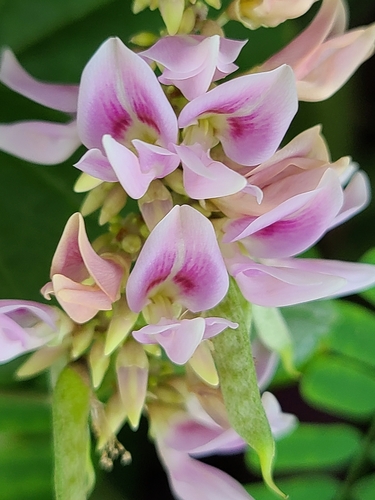
Archidendron contortum
(Martelli) I. C. Nielsen
FabaceaeFruit
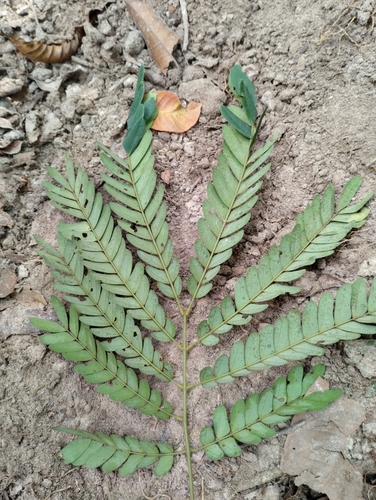
iNaturalist · cc-by-nc
(c) Akmal Idham, some rights reserved (CC BY-NC), uploaded by Akmal Idham
(c) Akmal Idham, some rights reserved (CC BY-NC), uploaded by Akmal Idham
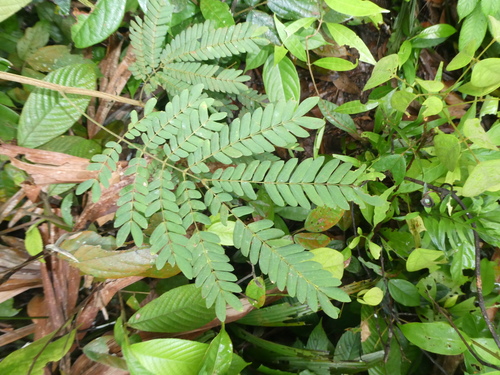
iNaturalist · cc-by-nc
(c) usebcm, some rights reserved (CC BY-NC), uploaded by usebcm
(c) usebcm, some rights reserved (CC BY-NC), uploaded by usebcm
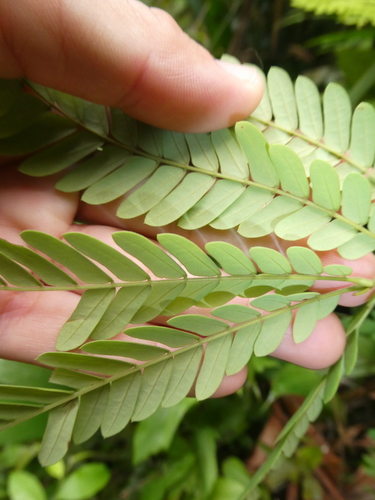
iNaturalist · cc-by-nc
(c) usebcm, some rights reserved (CC BY-NC), uploaded by usebcm
(c) usebcm, some rights reserved (CC BY-NC), uploaded by usebcm
What to Eat
Edible parts: Fruit
The fruit is eaten.
Where to Find It
It is a tropical plant.
Asia, Malaysia, SE Asia,
Countries: United Arab Emirates, Afghanistan, Armenia, Azerbaijan, Bangladesh, Bahrain, Brunei, Bhutan, China, Georgia, Indonesia, Israel, India, Iraq, Iran, Jordan, Japan, Kyrgyzstan, Cambodia, North Korea, South Korea, Kuwait, Kazakhstan, Laos, Lebanon, Sri Lanka, Myanmar, Mongolia, Maldives, Malaysia, Nepal, Oman, Philippines, Pakistan, Qatar, Saudi Arabia, Singapore, Syria, Thailand, Tajikistan, Timor-Leste, Turkmenistan, Turkey, Taiwan, Uzbekistan, Vietnam, Yemen
How to Identify
A tropical tree in the Fabaceae family. The fruit is edible.
Medicinal Uses
It possibly has anti-cancer properties.
Notes
It possibly has anti-cancer properties.
Names & Synonyms
Buah genuak
Abarema contorta (C. Mart.) Kosterm.Inga finlaysoniana GrahamPithecellobium contortum C. Mart.and others
References (1)
- Murakami, A. et al, 2014, Screening for the In Vitro Anti-tumor-promoting Activities of Edible Plants from Malaysia. Bioscience, Biotechnology, and Biochemistry, 64:1, 9-16.