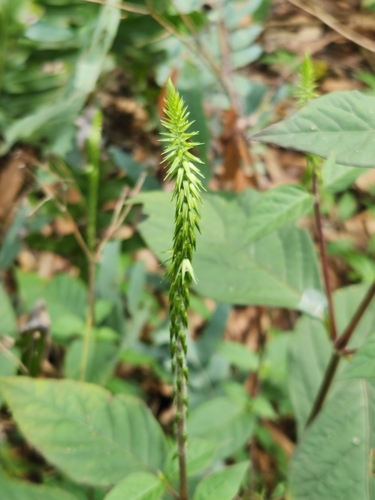
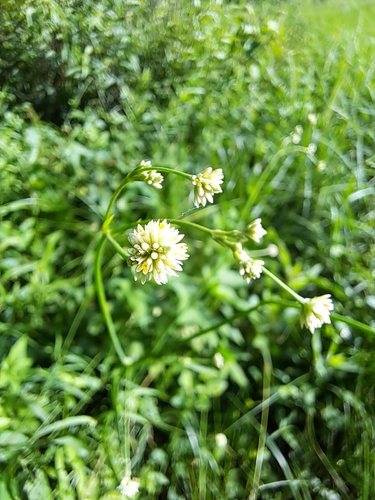
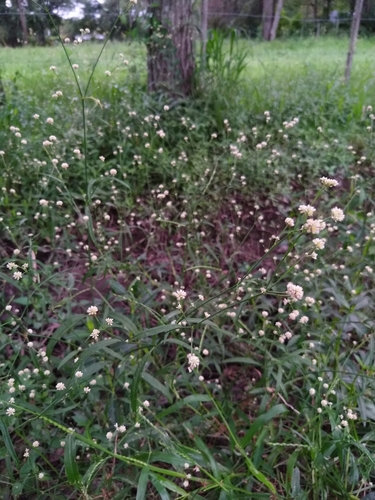
Pfaffia glomerata
(Spreng.) Pedersen
AmaranthaceaeLeaves
iNaturalist · cc-by-nc
(c) maiawerner, some rights reserved (CC BY-NC)
(c) maiawerner, some rights reserved (CC BY-NC)

iNaturalist · cc-by
(c) Facundo Chieffo, some rights reserved (CC BY), uploaded by Facundo Chieffo
(c) Facundo Chieffo, some rights reserved (CC BY), uploaded by Facundo Chieffo
iNaturalist · cc-by
(c) Patricio Cowper Coles, some rights reserved (CC BY), uploaded by Patricio Cowper Coles
(c) Patricio Cowper Coles, some rights reserved (CC BY), uploaded by Patricio Cowper Coles
What to Eat
Edible parts: Leaves ?
Where to Find It
It is a high altitude tropical plant.
Andes, Bolivia, Brazil, South America,
How to Identify
A high altitude tropical herb of the Amaranthaceae family.
Wikipedia
Source ↗Pfaffia glomerata is a medicinal plant native to Argentina, Bolivia. Cerrado, and Pantanal in Brazil. Pfaffia glomerata is considered an aphrodisiac, potentially due to the presence of β-ecdysone in its roots. This steroid is thought to influence libido. Pfaffia glomerata contains gallic acid, pfaffic acid, glomeric acid, oleanolic acid, saponins, anthraquinones, tannins, flavonoids, rubrosterone, and ecdysterone, in addition to primary metabolites such as inulin-type fructans and fructooligosaccharides.
Names & Synonyms
Alternanthera glauca (Mart.) HosseusGomphrena dunaliana Moq.Iresine glomerata Spreng.Pfaffia dunaliana (Moq.) Schinzand several others