Pitavia punctata
Molina
Patao, Pitran
(c) Christian Esteban Valdés Reyes, some rights reserved (CC BY-NC), uploaded by Christian Esteban Valdés Reyes
(c) Christian Esteban Valdés Reyes, some rights reserved (CC BY-NC), uploaded by Christian Esteban Valdés Reyes
(c) cesarsepulveda, some rights reserved (CC BY-NC)
What to Eat
Edible parts: Fruit
The fruit is eaten.
Where to Find It
It is a tropical plant. It grows from sea level to 2,000 m above sea level. It grows in damp places. It suits USDA hardiness zones 10-11.
Chile, South America,
How to Identify
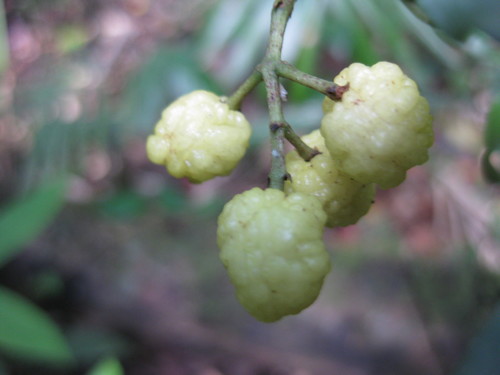
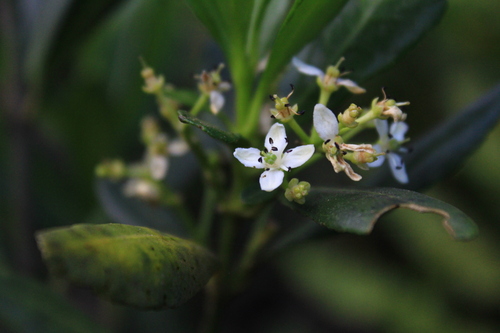
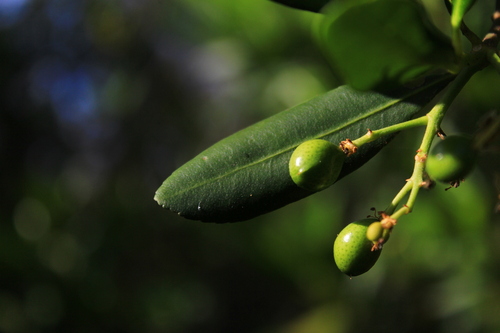
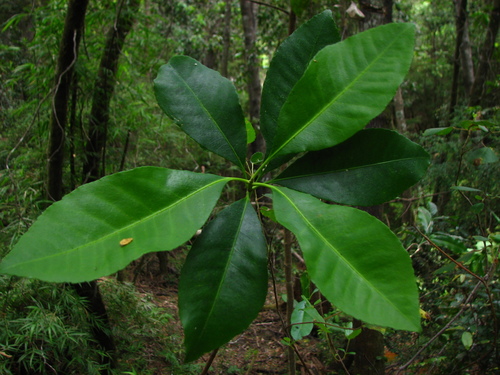
A shrub or small tree. It grows 15 m tall. The trunk can be 50 cm across. It has a rounded leafy crown. The bark is greyish brown and soft when young. The leaves are simple and covered with dots. They are usually in rings of 3. They are 7-13 cm long by 3-4 cm wide. The fruit are 2-2.5 cm across and 1-2 cm long. They are greenish yellow with dark dots. The seeds are brown and shiny.
Wikipedia
Source ↗Pitavia punctata is a species of tree endemic to Chile in the family Rutaceae. It is known by the common names Pitao and Pitran. It grows in native deciduous forests in the Chilean Coast Range of central Chile. It is threatened with habitat loss, and is assessed as Endangered.
Names & Synonyms
Canelillo
References (1)
- Saez, F. A., et al, 2017, Physiochemical and antibacterial characterization of fruits of Citronella mucronata (Cardiopteridaceae), Pitavia punctata (Rutaceae) and Beilschmiedia berteroana (Lauraceae), three endemic and threatened Chilean trees. Fruits 72 (2) 87-96