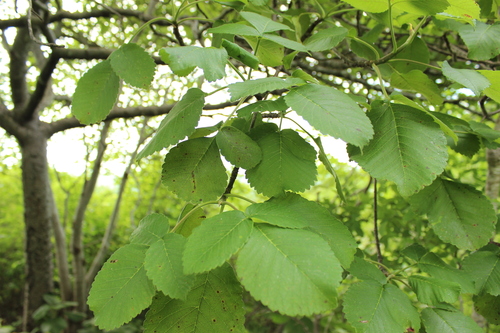
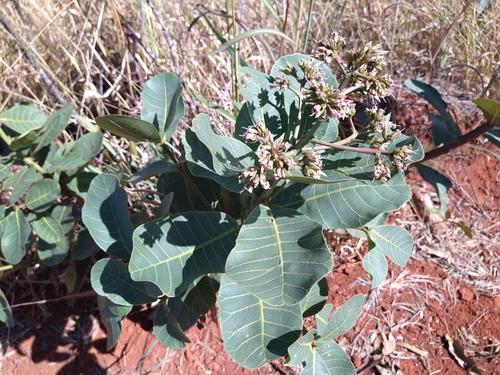
Pistacia eurycarpa
Yalt.

(c) MRN, some rights reserved (CC BY-NC), uploaded by MRN

(c) Arya Aras, some rights reserved (CC BY-NC)
What to Eat
Edible parts: Fruit, Fruit - tea, Leaves, Seeds, Nuts
The fruit are eaten fresh or dried for tea. Young shoots are eaten alone or used in soup. The leaves, seeds, and nuts are also edible.
Where to Find It
It is a temperate plant.
Iraq, Middle East, Turkey, Türkiye,
How to Identify
A temperate tree in the Anacardiaceae family. It produces edible fruit and nutritious seeds and nuts.
Wikipedia
Source ↗Pistacia eurycarpa, commonly as Persian turpentine tree, is a species of Pistacia native to southeastern Turkey, northern Iraq, Iran, Armenia, and Antilebanon. It is called qezwan (قەزوان) or dareben (دارەبەن) in Kurdish. It is morphologically close to Pistacia atlantica subsp. mutica, but differs by having distinctly compressed fruits (width larger than length). Having a watery flavour, its resin is used as a chewing gum to relieve upper abdominal discomfort, stomach aches, dyspepsia and peptic ulcer.
Names & Synonyms
Buttum, Cedene, Kazan, Kazwaan, Kizvan, Menengec
References (5)
- Ahmad, S. A. & Askari, A. A., 2015, Ethnobotany of the Hawraman Region of Kurdistan Iraq. Harvard Papers in Botany, Vol. 20, No. 1, 2015, pp. 85–89.
- Dogan, A. & Tuzlaci, E., 2015, Wild Edible Plants of Pertek (Tunceli-Turkey). Marmara Pharmaceutical Journal 19: 126-135
- Ertug, F, Yenen Bitkiler. Resimli Türkiye Florası -I- Flora of Turkey - Ethnobotany supplement
- Galalaey, A. M. K., et al, 2021, Ethnobotanical study of some wild edible plants in Hujran Bason, Kurdistan Region of Iraq. ZANCO Journal of Pure and Applied Sciences. Salahaddin University-Erbil
- World Checklist of Useful Plant Species 2020. Royal Botanic Gardens, Kew