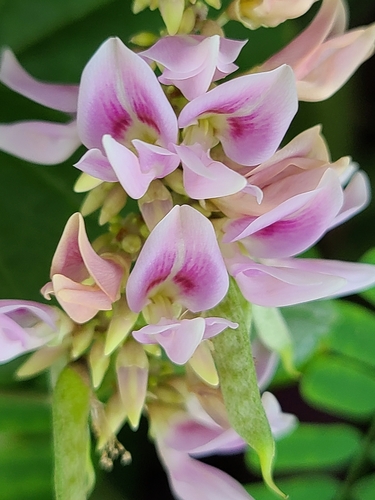
Coronilla scorpioides
(L.) Koch

(c) Ivan Jarolímek, some rights reserved (CC BY-NC), uploaded by Ivan Jarolímek

(c) José María Escolano, some rights reserved (CC BY-NC-SA)
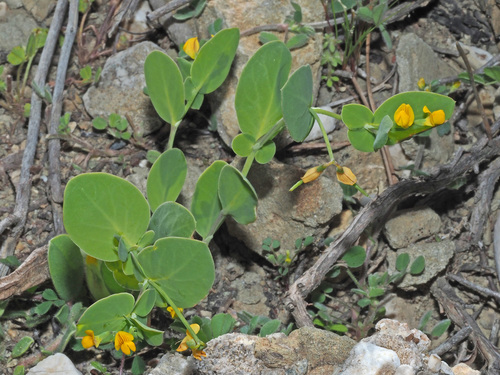
(c) Felix Riegel, some rights reserved (CC BY-NC), uploaded by Felix Riegel
What to Eat
Edible parts: Seed, Leaves
None known.
Where to Find It
It is a temperate plant.
Europe, Iraq, Middle East, Turkey, Türkiye,
How to Identify
An annual plant growing to 40cm in height. Hardy to UK zone 7. Prefers light, well-drained sandy soils and can tolerate mildly acid, neutral, and basic alkaline soils. Requires full sun and cannot thrive in shade, though it prefers moist soil conditions.
How to Grow
Propagation: Sow seed in early spring in a greenhouse. Prick seedlings out into individual pots once large enough to handle and plant out in late spring.
Medicinal Uses
The twigs and leaves act similarly to common broom (Cytisus scoparia) and are diuretic, cardiac, cathartic, and laxative. They are collected as the plant comes into flower and can be stored for later use.
Other Uses
A blue dye similar to indigo can be obtained by fermenting the leaves.
Wikipedia
Source ↗Coronilla scorpioides, the yellow crownvetch, is a species of annual herb in the family Fabaceae. They have a self-supporting growth form and compound, broad leaves. Individuals can grow to 20 cm tall.
Names & Synonyms
Akrep burçağı, Gyaxanjaroka
References (2)
- Ertug, F, Yenen Bitkiler. Resimli Türkiye Florası -I- Flora of Turkey - Ethnobotany supplement
- Galalaey, A. M. K., et al, 2021, Ethnobotanical study of some wild edible plants in Hujran Bason, Kurdistan Region of Iraq. ZANCO Journal of Pure and Applied Sciences. Salahaddin University-Erbil p 26