Parishia insignis
Hook.f.
Kayu potianak
AnacardiaceaeFruit
iNaturalist · cc-by-nc
(c) Arun N, some rights reserved (CC BY-NC), uploaded by Arun N
(c) Arun N, some rights reserved (CC BY-NC), uploaded by Arun N

iNaturalist · cc-by-nc
(c) wenge123, some rights reserved (CC BY-NC)
(c) wenge123, some rights reserved (CC BY-NC)

iNaturalist · cc-by-nc
(c) wenge123, some rights reserved (CC BY-NC)
(c) wenge123, some rights reserved (CC BY-NC)
What to Eat
Edible parts: Fruit
The fruit is edible.
Where to Find It
It is a tropical plant. It grows in forests up to 800 m above sea level.
Andamans, Asia, India, Indonesia, Malaysia, Myanmar,
Countries: United Arab Emirates, Afghanistan, Armenia, Azerbaijan, Bangladesh, Bahrain, Brunei, Bhutan, China, Georgia, Indonesia, Israel, India, Iraq, Iran, Jordan, Japan, Kyrgyzstan, Cambodia, North Korea, South Korea, Kuwait, Kazakhstan, Laos, Lebanon, Sri Lanka, Myanmar, Mongolia, Maldives, Malaysia, Nepal, Oman, Philippines, Pakistan, Qatar, Saudi Arabia, Singapore, Syria, Thailand, Tajikistan, Timor-Leste, Turkmenistan, Turkey, Taiwan, Uzbekistan, Vietnam, Yemen
How to Identify
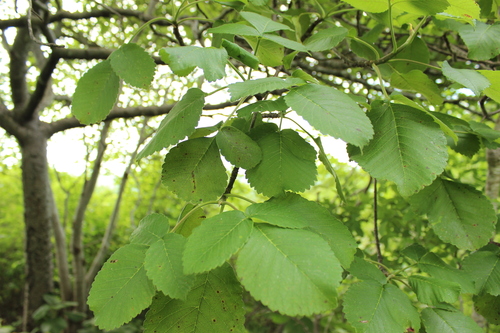
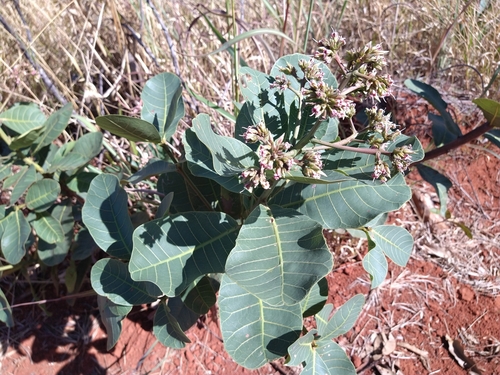
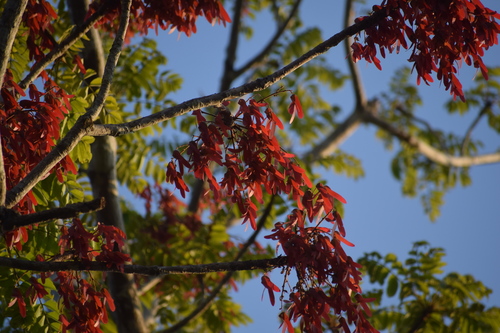
A tree. It grows 49 m tall. The trunk is 157 cm across. The leaves are alternate and compound. They are often hairy. The flowers are 7 mm across. They have red sepals and yellow petals. The fruit is a winged nut. The nut is 12 mm long and the wings are 110 mm long. The wings are bright red.
Wikipedia
Source ↗Parishia insignis is a flowering plant in the family Anacardiaceae. It is native to Southeast Asia.
Names & Synonyms
Babigurus, Berempaku
Astronium insigne MarchandParishia borneensis Ridl.Parishia lowei Ridl.Parishia pubescens Hook.f.Parishia rosea Ridl.
References (1)
- Arora, K., Indigenous Forest Management in the Andaman and Nicobar Islands, India.