Tabernaemontana alba
Mill.
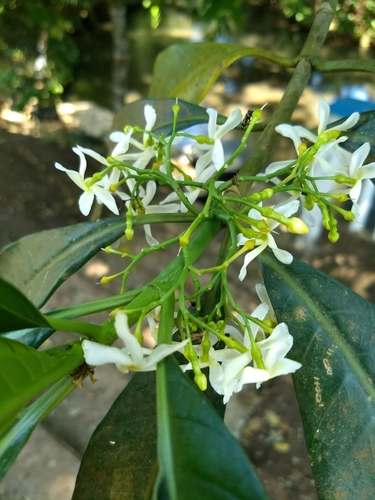
(c) Obed Palagot Echavarria, some rights reserved (CC BY-SA), uploaded by Obed Palagot Echavarria
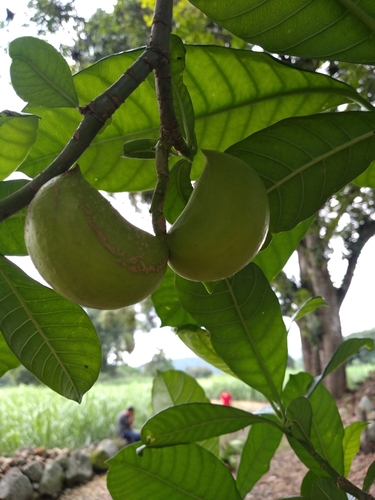
(c) Diana Cano, some rights reserved (CC BY-NC), uploaded by Diana Cano
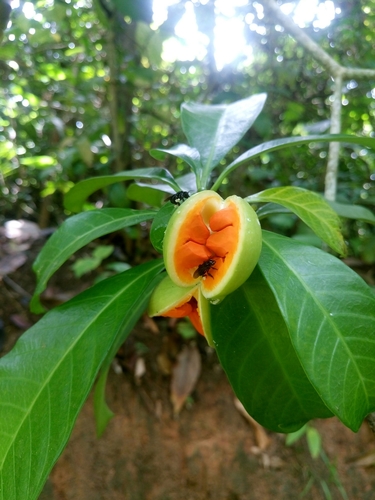
(c) Laura, some rights reserved (CC BY-NC-ND), uploaded by Laura
What to Eat
Edible parts: Sap
The fruit yields a large amount of white latex that coagulates readily when rubbed between the hands. It is reported to be used sometime for adulterating chicle, and is chewed locally like that substance.
Where to Find It
It is a tropical plant.
Central America, Guatemala, Mexico, Nicaragua,
How to Identify
A tropical shrub or small tree in the Apocynaceae family, growing 1-8 m tall or occasionally taller.
Other Uses
The fruit yields a large amount of white latex that coagulates readily when rubbed between the hands. The yellowish white wood is sometimes utilized in construction of the poorer types of lowland dwellings.
Wikipedia
Source ↗Tabernaemontana alba, the white milkwood, is a species of plant in the family Apocynaceae. It is native to Central America, Mexico, Cuba, and Colombia.
Names & Synonyms
Chapupo, Cojon de gato, Huevo de gato
References (3)
- Blake, S. F., Native Names and Uses of some Plants of Eastern Guatemala and Honduras. Contributions from the National Herbarium. p 99 (As Tabernaemontana amblyblasta Blake)
- Piedra-Malagón, E. M. et al, 2022, Edible native plants of the Gulf of Mexico Province. Biodiversity Data Journal 10: e80565 p 9
- Segura, S. et al, 2018, The edible fruit species in Mexico. Genet Resour Crop Evol (2018) 65:1767–1793


