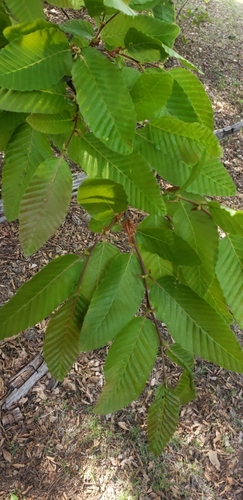
Nothofagus dombeyi
(Mirb.) Oerst.
iNaturalist · cc-by-nc
(c) Diego Alarcón, some rights reserved (CC BY-NC), uploaded by Diego Alarcón
(c) Diego Alarcón, some rights reserved (CC BY-NC), uploaded by Diego Alarcón

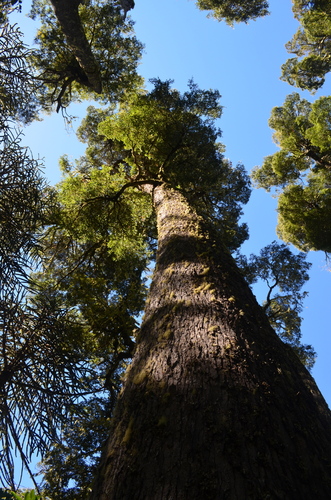
iNaturalist · cc-by-nc
(c) leandro2020, some rights reserved (CC BY-NC)
(c) leandro2020, some rights reserved (CC BY-NC)
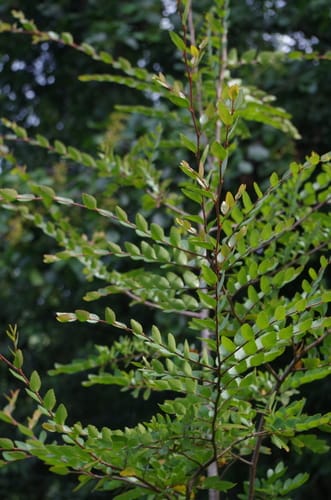
iNaturalist · cc-by-nc
(c) Ramon Figueroa, some rights reserved (CC BY-NC)
(c) Ramon Figueroa, some rights reserved (CC BY-NC)
What to Eat
Edible parts: Wood with fungus, Stems
The stems and wood with fungus are used for savoury products.
Where to Find It
It is a temperate plant.
Chile, South America,
How to Identify
A temperate tree in the Nothofagaceae family.
Wikipedia
Source ↗Nothofagus dombeyi, Dombey's beech, coigue, coihue or coigüe (from Mapudungun koywe) is a tree species native to southern Chile and the Andean parts of Argentine Patagonia. It is a fast-growing species that can live in a wide range of climatic conditions, and forms dense forests. It is cultivated for its timber, and as an ornamental subject. The shadow produced by stands of Nothofagus dombeyi is an important factor that keeps the air around streams cool and with relatively low daily temperature variations.
Names & Synonyms
Huempe, Palo podrido, Michahuarro
Fagus dombeyi Mirb.Fagus dombeyi var. microphylla Phil.
References (3)
- Barreau, A., et al, 2016, How Can We Teach Our Children if We Cannot Access the Forest? Generational Change in Mapuche Knowledge of Wild Edible Plants in Andean Temperate Ecosystems of Chile. Journal of Ethnobiology 36(2): 412–432
- Daly, A. B., 20014, Narrating changing foodways: wild edible plant knowledge and traditional food systems in Mapuche lands of the Andean Temperate Forests, Chile. Masters Thesis Vancouver. p 45
- Leon-Lobos, P., et al, 2022, Patterns of Traditional and Modern Uses of Wild Edible Native Plants of Chile: Challenges and Future Perspectives. Plants (Basel) v 11 (6) Table S1