Lecomtedoxa nogo
(A. Chev.) Aubrev.

Wikimedia Commons (via Wikimedia Commons)

MBG
What to Eat
Edible parts: Seeds - oil, Caution
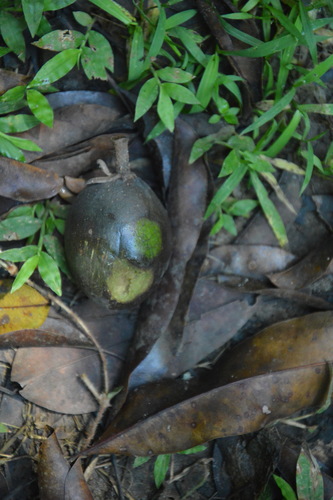
Seeds are processed for oil, though the fresh seeds are toxic.
Known Hazards
Where to Find It
It is a tropical plant.
Africa, Central Africa, Gabon,
How to Identify
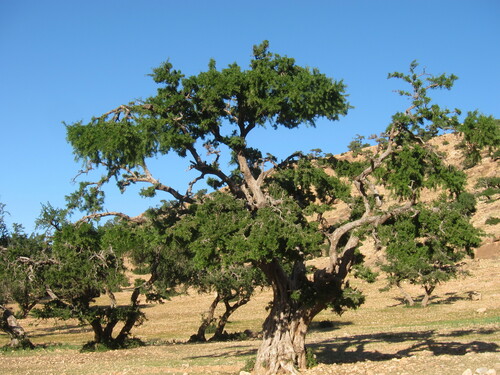
A tropical tree in the Sapotaceae family that can grow up to 40 m tall. It is an at-risk species.
Other Uses
The wood of this species is said to have similar uses to that of Lecomtedoxa klaineana. These are:- The wood is used for carpentry. It is suitable for heavy construction, heavy flooring, ship and boat building, vehicle bodies, furniture, sliced veneer, interior trim, joinery, railway sleepers, poles, mine props and toys and novelties.
Wikipedia
Source ↗Lecomtedoxa nogo is a species of plant in the family Sapotaceae. It is endemic to Gabon. The species is listed as vulnerable.
Notes
It is an at risk species.
Names & Synonyms
References (3)
- Raponda-Walker, A. & Sillans, R., 1961. Les plantes utiles du Gabon. Paul Lechevalier, Paris, France. 614 pp.
- Useful Tropical Plants.
- World Checklist of Useful Plant Species 2020. Royal Botanic Gardens, Kew