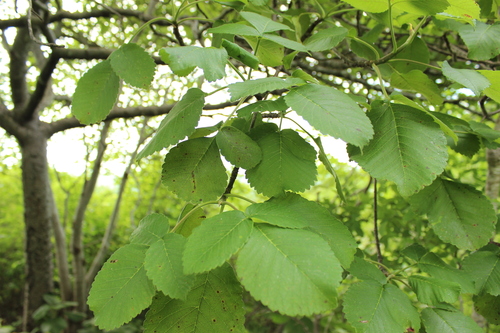
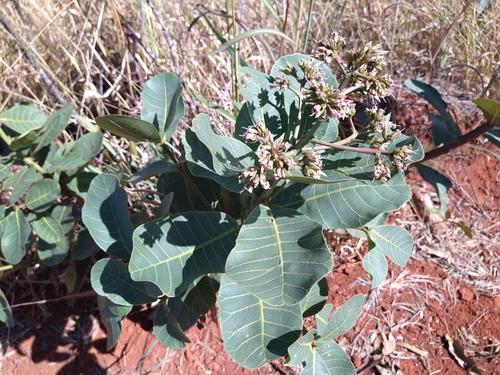
Mosquitoxylum jamaicense
Krug & Urb
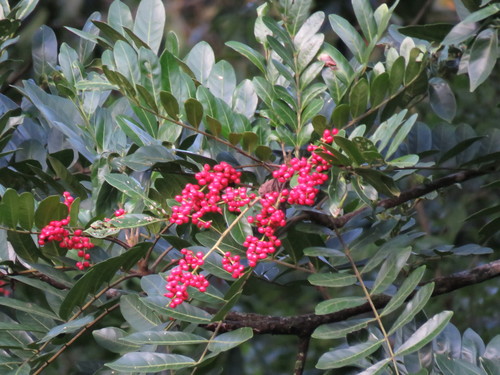
AnacardiaceaeFruit
iNaturalist · cc-by-nc
(c) Oliver Komar, some rights reserved (CC BY-NC), uploaded by Oliver Komar
(c) Oliver Komar, some rights reserved (CC BY-NC), uploaded by Oliver Komar

iNaturalist · cc-by
(c) Neptalí Ramírez Marcial, some rights reserved (CC BY)
(c) Neptalí Ramírez Marcial, some rights reserved (CC BY)
What to Eat
Edible parts: Fruit
The fruit are eaten.
Where to Find It
It is a subtropical plant.
Central America, Colombia, Ecuador, Jamaica, Mexico, Nicaragua, Panama, West Indies,
Countries: Antigua & Barbuda, Barbados, Bahamas, Belize, Colombia, Costa Rica, Cuba, Dominica, Dominican Republic, Ecuador, Grenada, Guatemala, Honduras, Haiti, Jamaica, St Kitts & Nevis, St Lucia, Mexico, Nicaragua, Panama, Puerto Rico, El Salvador, Trinidad & Tobago, St Vincent
How to Identify
A subtropical tree reaching 25 m tall, found in the Anacardiaceae family. It produces bright red fruit measuring 6-9 mm long.
Other Uses
The bark is full of an odorous, resin-like latex. No uses are mentioned. The heartwood is pale reddish brown tinged with yellow; the thin layer of sapwood grayish to pink. The wood is rather fine-textured; cross-grained; hard; heavy; strong; brittle; moderately durable. It is not very easy to work; takes a high polish. It is valued for construction purposes.
Names & Synonyms
Jobo, Mosqito wood
References (1)
- Segura, S. et al, 2018, The edible fruit species in Mexico. Genet Resour Crop Evol (2018) 65:1767–1793