Rubus trichomallus
Schltdl.
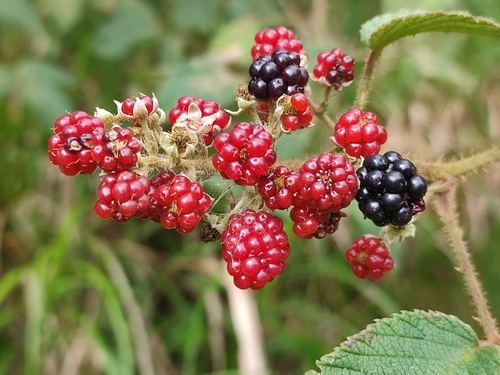
(c) Benoît Segerer, some rights reserved (CC BY-NC), uploaded by Benoît Segerer
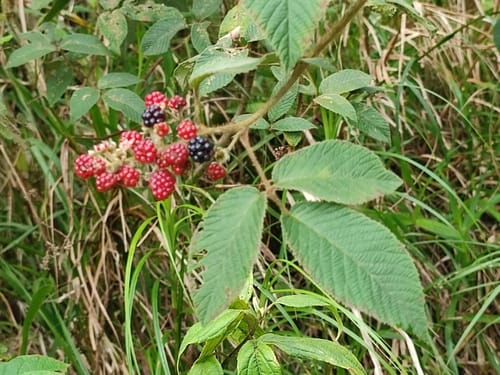
(c) Benoît Segerer, some rights reserved (CC BY-NC)
Dangerous Lookalikes
This plant can be confused with the following toxic species. Always verify identification carefully before consuming any wild plant.


Red Baneberry: Short herbaceous plant (no thorns), berries on thick red stems, each berry has a single seed, compound sharply-toothed leaves.
Rubus trichomallus: Thorny woody canes (brambles), aggregate berry made of many drupelets, berries pull easily from receptacle.
Where to Find It
It is a tropical plant.
Central America, Mexico, Panama,
How to Identify
A creeping shrub. It grows 2 m tall. The canes have brown hairs. The leaves have 3-5 leaflets and teeth along the edge. The leaflets are narrow and 8-10 cm long. The fruit are 1 cm long.
Wikipedia
Source ↗Rubus trichomallus is a Latin American species of brambles in the rose family. It grows in southern Mexico, Colombia, and Central America. Rubus trichomallus is a shrub several meters tall, with curved prickles and copious hairs. Leaves are compound with 3 or 5 leaflets. Fruits are red at first, nearly black when fully ripe.
Notes
The name is ambiguous.
Names & Synonyms
Zarzamora
References (1)
- Segura, S., et al, 2018, The edible fruit species in Mexico. Genet Resour Crop Evol (2018) 65:1767–1793
More from Rosaceae


