Acacia modesta
Wall.

iNaturalist · cc-by-nc
(c) Azan Khan, some rights reserved (CC BY-NC)
(c) Azan Khan, some rights reserved (CC BY-NC)
iNaturalist · cc-by-nc
(c) Azan Khan, some rights reserved (CC BY-NC)
(c) Azan Khan, some rights reserved (CC BY-NC)
iNaturalist · cc-by-nc
(c) Azan Khan, some rights reserved (CC BY-NC)
(c) Azan Khan, some rights reserved (CC BY-NC)
What to Eat
Edible parts: Gum, Leaves
The gum and leaves are edible. Traditionally the plant is used in fermentation and for jam-making.
Where to Find It
It is a subtropical plant.
Asia, Pakistan,
Countries: United Arab Emirates, Afghanistan, Armenia, Azerbaijan, Bangladesh, Bahrain, Brunei, Bhutan, China, Georgia, Indonesia, Israel, India, Iraq, Iran, Jordan, Japan, Kyrgyzstan, Cambodia, North Korea, South Korea, Kuwait, Kazakhstan, Laos, Lebanon, Sri Lanka, Myanmar, Mongolia, Maldives, Malaysia, Nepal, Oman, Philippines, Pakistan, Qatar, Saudi Arabia, Singapore, Syria, Thailand, Tajikistan, Timor-Leste, Turkmenistan, Turkey, Taiwan, Uzbekistan, Vietnam, Yemen
How to Identify
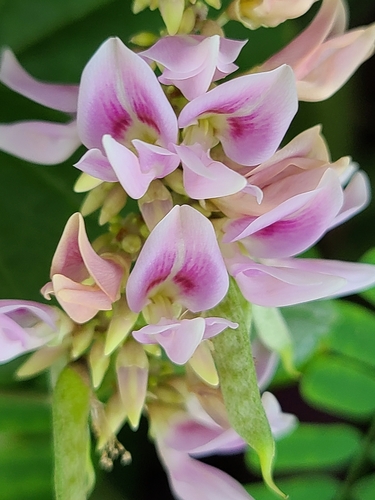
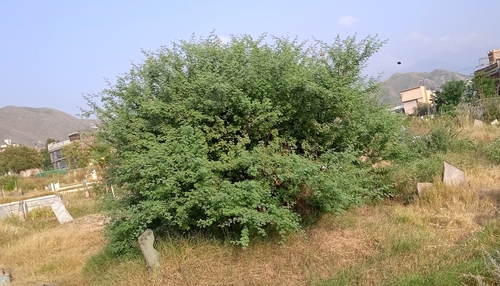
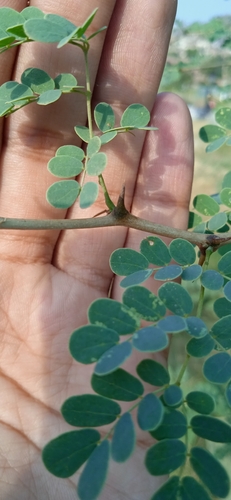
A shrub or small tree. It grows 5 m tall. There are prickles along the stem. The leaves are twice divided and there are 8-18 pairs of pinnae. There are up to 50 pairs of pinnules on each pinnae. The flowers are yellow. They are in large clusters at the ends of branches. The pods are flattened.
Medicinal Uses
Used in fermentation and jam preparation.
Names & Synonyms
Angrezi babur, Jangli kiker, Kiker kul, Pali, Palosa, Pholai
Mimosa dumosa Roxb.Mimosa obovata Roxb.
References (1)
- Majeed, M., et al, 2021, Gathered Wild Food Plants among Diverse Religious Groups in Jhelum District, Punjab, Pakistan. Foods 2021, 10, 594.